


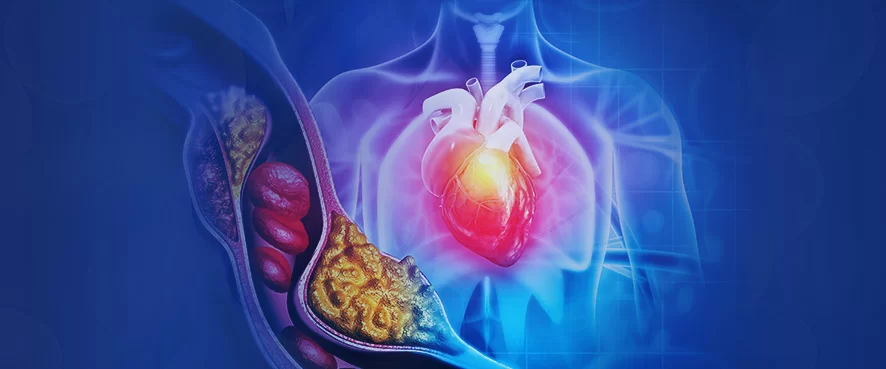
Cholesterol is a fatty substance produced by our body and present in every living cell of the human body. The main portion of cholesterol in our bloodstream is produced by the liver, while the remaining smaller portion comes from the food we consume. Cholesterol is vital for the proper functioning of the body. It is necessary for the synthesis of a number of hormones, Vitamin D, and substances that play an important role in the digestive process of our body.
If there are high levels of cholesterol in our blood, the excess cholesterol can lead to the formation of fatty plaques in the blood vessels. These plaques narrow the blood vessels and make it difficult for sufficient blood to pass through the arteries. The chronic accumulation of these plaques leads to a disease known as atherosclerosis. This condition is defined as the most prominent sign of high cholesterol.
Cholesterol is both "good" and "bad." When at normal levels, it is vital for our body. However, when its concentration in our blood becomes too high, it becomes a silent threat that predisposes us to cardiovascular diseases.
Below you can find three main tips to protect yourself from developing high cholesterol:
Make an effort to follow the principles of healthy eating
Try to maintain your weight within normal limits
Switch to a lifestyle that includes regular physical activity

 Viber
Viber
 Whatsapp
 Phone
Phone