Endoscopic Retrograde Cholangiopancreatography (ERCP) - A Modern Method for Diagnosis and Treatment of Diseases of the Biliary System, Pancreas, and Liver
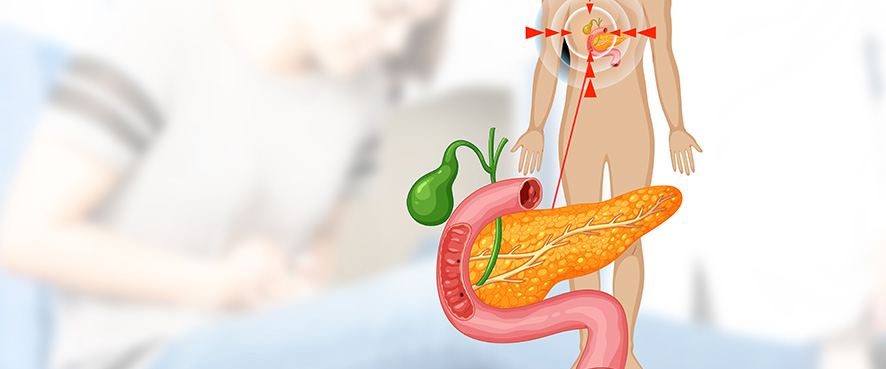
ERCP (endoscopic retrograde cholangiopancreatography) is a minimally invasive medical procedure that combines endoscopy and radiography to diagnose and treat diseases of the bile ducts, pancreas, and liver. The method allows not only precise visualization of internal ducts but also performing therapeutic interventions - such as removal of gallstones, stent placement, dilation of strictures, and more.
When is ERCP Applied?
The procedure is recommended when there is suspicion of:
- Gallstones blocking the ducts
- Obstruction or stricture of the pancreatic ducts
- Bile or pancreatic juice leakage
- Inflammation or infections (e.g., cholangitis, pancreatitis)
- Liver diseases
- Tumors or cysts
- Jaundice, dark urine, unexplained abdominal pain
- Unclear findings from previous imaging studies (MRI, ultrasound, CT)
How to Prepare for ERCP?
The doctor performing the ERCP will discuss the risks and benefits of the procedure with you. Typical pre-procedure recommendations include:
- Stopping food and fluid intake for a specified period before the procedure
- Taking permitted medications with a small amount of water
- Temporarily stopping certain medications (e.g., anticoagulants), if recommended
- Informing the doctor about all allergies
- Arranging a companion to take you home after the procedure
How Does the Procedure Work?
ERCP is performed by a qualified specialist in a hospital or endoscopy center.
- Before the start, a local anesthetic is applied to the throat to suppress the gag reflex.
- You will receive intravenous sedation for relaxation.
- The duodenoscope is introduced through the mouth, passes through the esophagus and stomach to the duodenum.
- Through it, a catheter is inserted through which contrast medium is injected into the bile and/or pancreatic ducts. Sometimes air is introduced for better visualization.
- Multiple specific X-ray images will be taken. If needed, fluid or tissue samples (biopsies) are taken, or therapeutic intervention is performed - for example, removal of gallstones, etc.
- Video from the endoscope camera is transmitted in real time to a computer screen for evaluation by your doctor.
- The procedure lasts between 30 minutes and 2 hours, depending on the scope of procedures your doctor performs.
What to Expect After ERCP?
- You will remain under observation for 1-2 hours for monitoring of vital signs.
- Sore throat or difficulty swallowing may occur for a short time.
- In certain cases, overnight hospitalization may be required.
- Until the swallowing reflex is restored, you will not be allowed to eat or drink fluids.
- A rectal suppository is often administered to reduce the risk of pancreatitis.
- After discharge, you can return to your usual activities unless otherwise instructed.
When Will I Receive My Results?
Results are usually available on the same day. If a biopsy was taken, results may be delayed by a few days.
Contact Your Doctor Immediately If You Experience:
- Fever or chills
- Swelling, redness, or bleeding at the IV access site
- Abdominal pain, nausea, or vomiting
- Bloody or black stools
- Worsening throat or chest pain
- Difficulty swallowing
At Corlu Vatan Hospital, we provide modern endoscopic diagnostics and treatment with an individualized approach to each patient. Our specialists work with high-technology equipment and follow the latest medical protocols for diseases of:
- The esophagus
- The stomach
- The small and large intestines
- The liver
- The pancreas
- The biliary system
You can schedule an appointment with our specialist - because timely diagnosis is the first step towards effective treatment.



 Viber
Viber
 Whatsapp
 Phone
Phone