


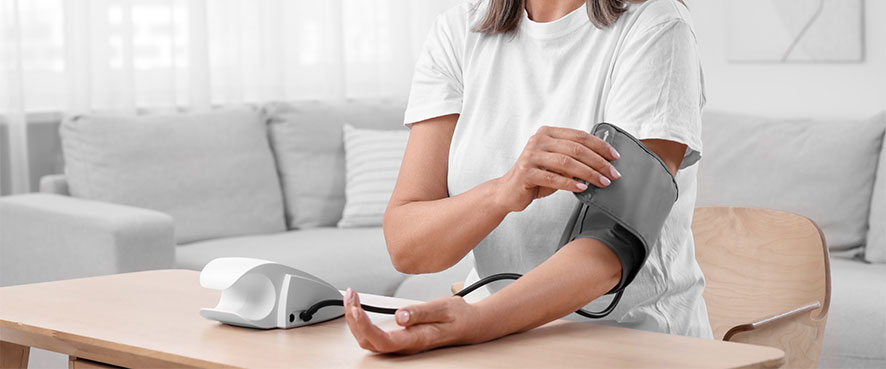
Hypertension is a medical condition commonly known as "high blood pressure," in which blood pressure is higher than normally accepted values.
And what is blood pressure?
Blood pressure is the pressure that the heart exerts on the walls of blood vessels while pumping blood. This pressure is necessary for blood to reach every part of the human body.
Normally, blood pressure should vary within certain limits. The reference values for normal blood pressure in adults are 120/80 mmHg (millimeters of mercury). These numbers reflect your blood pressure value during systole (i.e., when the heart muscle contracts) and diastole (when the heart relaxes).
High blood pressure is a condition in which blood pressure rises above the defined threshold values. This condition usually progresses asymptomatically, and the person may not perceive the problem, i.e., the person does not feel unwell. In the long term, high blood pressure damages blood vessels, which in turn increases the risk of developing cardiovascular diseases, stroke, kidney problems, and other serious health complications.
Causes and Risk Factors:
- Genetic factors: If you have close relatives in your family diagnosed with hypertension, this may also be a risk factor for you. Genetic factors and family history can significantly increase the risk of developing hypertension and cardiovascular diseases.
- Age: With advancing age, blood vessels can harden and lose their elasticity. This process can contribute to increasing your blood pressure. Therefore, the risk of high blood pressure increases with advancing age.
- Poor dietary habits: Consuming fatty, processed foods and foods with high salt content can increase the risk of high blood pressure. Therefore, excessive salt consumption can lead to fluid retention in the body, which leads to increased blood pressure.
- Overweight or Obesity: Being overweight or obese increases the risk of hypertension.
- Lack of physical activity: The lack of regular physical exercise and a sedentary lifestyle increase the risk of developing high blood pressure. Physical activity helps maintain the flexibility of blood vessels.
- Smoking and alcohol use: Smoking and excessive alcohol consumption can increase the risk of high blood pressure. Smoking can lead to narrowing of the arteries, which can raise blood pressure.
- Stress: Constant psychological stress can lead to the release of large amounts of cortisol (the stress hormone) in our body. This can lead to increased blood pressure.
- Salt consumption: It is important to carefully control salt consumption, as foods with high salt content can raise your blood pressure.
- Potassium deficiency: Potassium is essential for regulating blood pressure. Potassium deficiency can increase the risk of developing hypertension.
- Other health problems: Health problems such as diabetes, high cholesterol, kidney diseases, and thyroid problems can also increase the risk of developing hypertension.
What are the symptoms and risk factors of hypertension?
Hypertension can be described as a "hidden enemy," since it usually has no visible symptoms. In other words, a person often does not feel that they have high blood pressure. However, we should be vigilant with complaints such as:
- Headache: Usually, hypertension does not cause severe or frequent headaches, but prolonged high blood pressure can lead to severe or persistent headaches. Headaches associated with hypertension differ from other types of headaches. They usually start in the morning or after waking from sleep and are felt in the occipital area.
- Dizziness: Hypertension can cause a feeling of dizziness or easy fatigue. Dizziness can occur especially with sudden changes in body position or when standing up quickly.
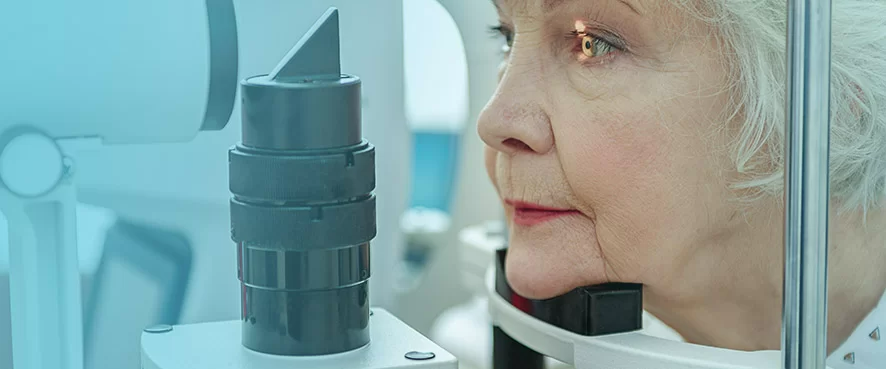
- Vision changes: High blood pressure can lead to damage to the blood vessels of the eye and cause vision-related problems. It is important to note that not all vision changes are related to hypertension. Although retinal damage is often a sign indicating the presence of hypertension, it should not be forgotten that vision changes can be caused by many different reasons. Therefore, if there are vision-related problems, it is important to visit an ophthalmology specialist to determine the cause of vision changes and to provide appropriate treatment in a timely manner. This can help stop the progression of the disease and prevent potential future vision-related problems.
- Shortness of breath: Hypertension can lead to complications such as heart failure, which in turn can cause shortness of breath. Not every shortness of breath is a sign of hypertension. Shortness of breath can be caused by many different health problems, such as respiratory problems, heart diseases, lung diseases, or anxiety. In rare cases, however, shortness of breath can be caused by heart failure or pulmonary edema. Not everyone who experiences shortness of breath has hypertension, so it is important for people who experience persistent or severe shortness of breath to consult a pulmonologist in a timely manner.
- Heart palpitations: High blood pressure can affect heart rhythm and in some cases lead to heart palpitations. It is important to note that not everyone who has heart palpitations suffers from hypertension. Heart palpitations can be caused by various factors, and hypertension is just one of them. Heart palpitations are usually defined as an unusual increase or irregularity in heart rhythm and can be associated with various health problems.
Remember that these symptoms can also be related to other health problems. To diagnose hypertension, regular measurement and monitoring of your blood pressure by a cardiology specialist is necessary.
High blood pressure can pose a significant risk to your health and can lead to various complications. Here are some of the possible risks of hypertension:
- Cardiovascular diseases: Hypertension can cause damage to the heart vessels, which can lead to serious heart problems such as heart attack or angina. It can lead to heart failure by weakening the heart muscle.
- Stroke: High blood pressure can affect blood vessels located in the brain and lead to the occurrence of stroke. Stroke is a disease characterized by disruption of brain circulation, which leads to damage of brain tissue. This in turn can have serious consequences.
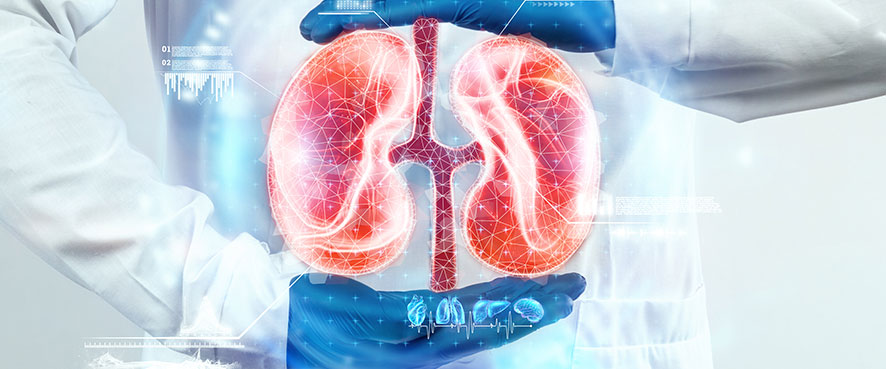
- Kidney problems: Hypertension can lead to kidney failure. It can disrupt the normal functioning of the kidneys and negatively affect the regulation of the body's water and salt balance.
- Vision problems: High blood pressure can cause retinal hemorrhages and lead to complete and permanent loss of vision.
- Vascular problems: Hypertension can lead to hardening and narrowing of arteries in the body, which can lead to cardiovascular diseases. This can affect blood circulation in the body and lead to various complications.
- Aneurysms: High blood pressure can lead to weakening and expansion of blood vessels. In these cases, the walls of blood vessels weaken and balloon, which can lead to a dangerous condition called an aneurysm. Aneurysms can burst and cause internal bleeding, leading to serious consequences.
- Cardiac arrhythmia: Hypertension can disrupt the normal rhythm of the heart muscle. This can lead to irregular heart rhythm and even heart failure.
- Metabolic syndrome: Hypertension is often associated with a condition called metabolic syndrome. Metabolic syndrome is a combination of factors such as obesity, high blood sugar levels, high triglyceride levels, and low HDL ("good") cholesterol levels. These factors increase the risk of developing cardiovascular diseases, diabetes, and other health problems.
- Hypertensive crisis: A hypertensive crisis is a condition in which blood pressure rises suddenly and very rapidly, which can lead to serious complications. This is an emergency and requires immediate medical assistance.
For these reasons, early diagnosis of hypertension and timely treatment are essential. Regular preventive check-ups with a cardiology specialist and choosing a healthy lifestyle can help resolve problems associated with hypertension and reduce future risks.
How to maintain our blood pressure within reference limits?
With a few small changes in your daily life, you can significantly reduce the risks of developing hypertension. Here are some of them:
In conclusion, high blood pressure is a serious health problem, but it can be controlled and managed. Switching to a healthier lifestyle can significantly reduce the risk of high blood pressure and contribute to a longer and healthier life.
Internal Medicine Specialist
Assoc. Prof. Emine BINNETOGLU

 Viber
Viber
 Whatsapp
 Phone
Phone