Last updated: 16 януари 2026
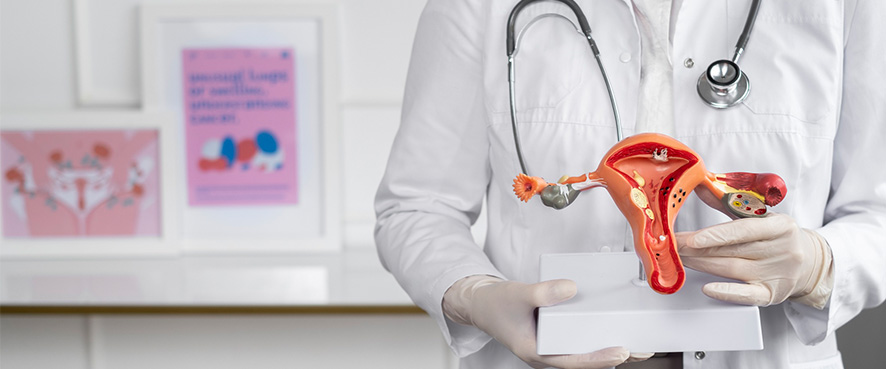
Hysteroscopy is an endoscopic procedure that allows examination and treatment of the female reproductive system, with the primary goal of diagnosing pathological conditions. The procedure is performed by inserting a hysteroscope - a narrow optical telescope with a light and camera at the end - through the vagina and cervix directly into the uterine cavity. Hysteroscopy can be performed for both diagnostic and operative purposes.
Types of hysteroscopy
- Diagnostic Hysteroscopy: Used to identify intrauterine problems such as structural anomalies, polyps, and fibroids. This form of hysteroscopy is often preferred in cases of infertility, abnormal bleeding, or recurrent spontaneous miscarriages.
- Operative Hysteroscopy: Applied when problems are identified during the diagnostic procedure. Through this technique, polyps or fibroids can be removed, and adhesions can be corrected.
Areas of application of hysteroscopy
- Abnormal uterine bleeding: Evaluation and treatment in cases of abnormal bleeding of unknown origin.
- Removal of polyps and fibroids: Procedures for removing benign formations.
- Treatment of intrauterine adhesions (Asherman's syndrome): A condition where uterine adhesions are detected, removed, or corrected.
- Correction of congenital anomalies: Treatment through removal of intrauterine septa.
- Investigation of infertility and recurrent spontaneous miscarriages: Evaluating the condition of the intrauterine environment.
- Endometrial ablation: A procedure for removing the endometrium to control heavy bleeding.
Advantages of hysteroscopy
- Minimal invasiveness: It is less invasive compared to traditional surgical interventions, which means minimal discomfort for patients and faster recovery.
- Fast recovery: Most patients can leave the hospital the same day after the procedure and quickly resume their daily activities.
- Detailed visualization: Intrauterine structures can be observed "live," allowing immediate intervention upon detection of pathologies if necessary.
What to pay attention to after hysteroscopy
After undergoing hysteroscopy, it is important to:
- Ensure adequate rest during the first few days after the intervention;
- Be vigilant for symptoms such as elevated temperature, severe pain, or unpleasant discharge, which may indicate the presence of infection;
- Avoid sexual contact for a certain period of time, according to the treating physician's instructions.
Hysteroscopy is an important method for both diagnosis and treatment in the field of female reproductive health. This procedure is significantly safe and effective; it plays a key role not only in evaluating the anatomical structures of the female reproductive system but is also an important tool for improving quality of life.






 Viber
Viber
 Whatsapp
 Phone
Phone