Last updated: 16 януари 2026
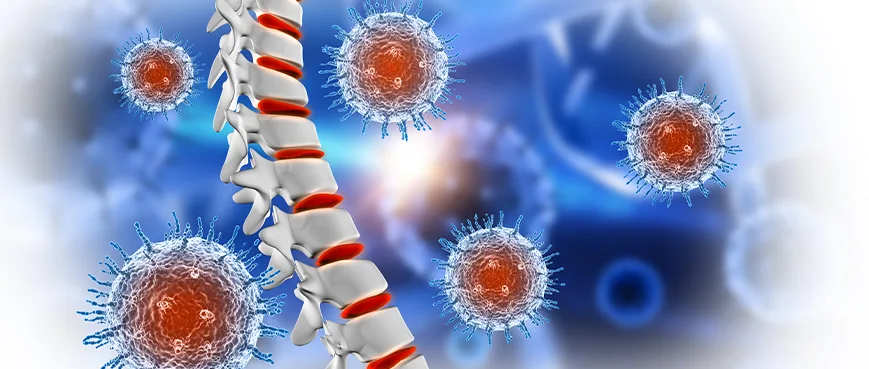
Lumbar disc herniation (also known as "discopathy") is a condition in which the intervertebral discs in the lumbar (lower back) region of the spinal column shift or rupture, compressing the surrounding nerve structures. These discs act as "shock absorbers" between the vertebrae and provide flexibility, stability, and mobility to the spinal column. Their outer layer is hard, but the interior of the intervertebral discs contains a soft, jelly-like substance. When this inner material bulges outward and/or the disc envelope ruptures, disc herniation can occur, which can lead to compression of the surrounding nerve roots.
Symptoms of disc herniation
Symptoms of disc herniation vary depending on the degree of disc herniation, the degree of compression on the spinal canal, and the affected nerves. The types of pain can vary from person to person, but the most common complaints include:
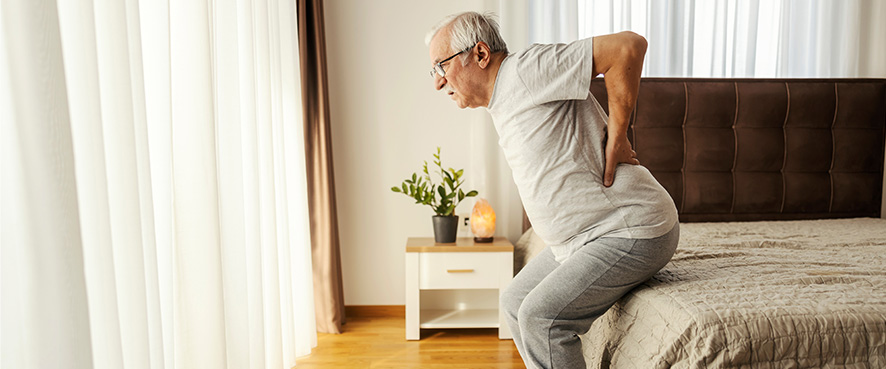
- Pain in the lower back is one of the most common symptoms. It can be sharp, burning, or dull and often worsens with movement or lifting heavy objects.
- Pain radiating to the leg (sciatica) - if the herniation compresses the sciatic nerve, the pain can spread down the leg, usually along the outer or back part. This condition is known as sciatica and is most often felt more intensely in one leg.
- Numbness or tingling - a sensation of numbness or tingling may appear in the area of the herniation, as well as in the thigh, leg, or foot.
- Muscle weakness - when nerves are compressed, this can lead to weakening of the muscles, making movement, walking, or standing difficult.
- Reduced or absent reflexes - in more severe cases, weakening or loss of reflexes may be observed.
Causes of disc herniation
Various factors can contribute to the development of this condition, including:
- Advancing age - over the years, intervertebral discs lose their flexibility and durability, making them more vulnerable to damage.
- Improper lifting of heavy objects - if proper technique is not used when lifting heavy objects, the load on the spinal column increases, which can lead to disc rupture.
- Lack of physical activity - a sedentary lifestyle and prolonged sitting in one position weaken the muscles supporting the spinal column, increasing the risk of disc herniation.
- Overweight - excess weight creates additional pressure on the spinal column, thereby increasing the likelihood of disc damage.
- Genetic predisposition - if there are cases of disc herniation in the family, the probability of its development in subsequent generations is higher.
Methods for treating disc herniation
The approach to treatment depends on the severity of the condition, symptoms, and the patient's overall health condition. The main treatment methods are divided into two types: conservative (non-surgical) and surgical.
1. Conservative (non-surgical) treatment:
- Rest - short-term reduction of physical activity can relieve pain, but prolonged immobilization is not recommended as it can lead to weakening of the musculature.
- Physical therapy - specialized exercises help strengthen the muscles that support the spinal column, improve posture, and reduce the load on the damaged disc, which contributes to symptom relief.
- Painkillers and anti-inflammatory medications - nonsteroidal anti-inflammatory drugs (NSAIDs) and analgesics can reduce pain and inflammation, thereby improving mobility.
- Epidural steroid injections - in more serious cases, local injection of corticosteroids in the affected area is applied, which helps reduce inflammation and pain syndrome.
- Manual therapy and massage - when applied by an experienced specialist, these methods can reduce muscle tension and help relieve pain associated with disc herniation.
2. Surgical treatment:
If conservative treatment does not produce results, the pain continues, or the condition worsens, surgical intervention may be necessary. The main surgical methods include:
- Discectomy - a minimally invasive procedure in which the part of the disc compressing the nerve tissue is removed. The application of microsurgical techniques makes the procedure gentler and recovery faster.
- Laminectomy - a surgical intervention in which a small part of the bony structure of the vertebrae (lamina) is removed to release the compressed spinal nerve and reduce pressure in the affected zone.
- Artificial disc replacement - in certain patients, the damaged intervertebral disc can be replaced with an artificial one, which allows preservation of the natural mobility of the spinal column.
Disc herniation is a condition that can lead to intense pain and seriously worsen quality of life if timely measures are not taken. With early diagnosis and appropriate treatment, most patients manage to recover without the need for surgical treatment, but in more severe cases, surgical intervention can be the most effective solution. It is recommended that people experiencing symptoms of disc herniation consult an experienced neurosurgeon. This way you will receive an accurate diagnosis and will be directed to the most appropriate treatment that will help you recover and restore your quality of life.
Brain and Neurosurgery Specialist - Dr. Oguz YOZEL


 Viber
Viber
 Whatsapp
 Phone
Phone