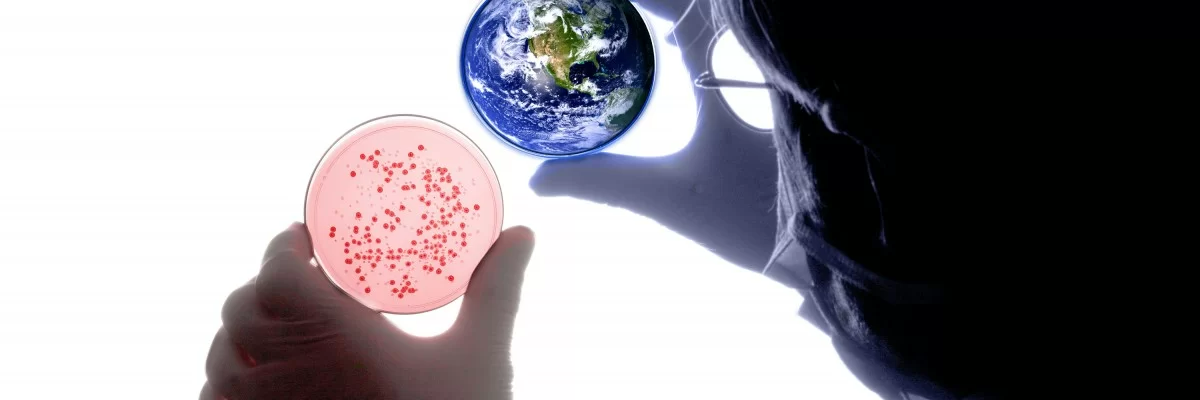
The Department of Infectious Diseases and Clinical Microbiology diagnoses and treats febrile diseases caused by microorganisms such as bacteria, viruses, parasites or fungi. In the clinical microbiology laboratory, which is part of this department, tests are conducted to identify each cause of the disease.
The treatment of hospitalized patients is monitored by the Department of Infectious Diseases and Clinical Microbiology.
Diseases treated in the Infectious Diseases and Clinical Microbiology department:
- Febrile diseases
- Diabetic foot infections
- Hospital-acquired infections
- Bedsore infections (decubital wounds and ulcers)
- Influenza (and others)
- Sinusitis
- Throat infections (pharyngitis, tonsillitis, etc.)
- Cellulitis and other skin infections
- Pulmonary infections (pneumonia, bronchitis, etc.)
- Jaundice-hepatitis (hepatitis A, hepatitis B, hepatitis C, etc.)
- Cystitis (urinary tract infection)
- Diarrhea
- Joint infections
- Sexually transmitted diseases (HIV, gonorrhea, syphilis, etc.)
- Bone infections (osteomyelitis and spondylodiscitis, etc.)
- Zoonotic diseases (brucellosis, Crimean-Congo hemorrhagic fever, malaria, etc.)
- Antibiotic and infection monitoring in intensive care
- Antibiotic usage monitoring.



 Viber
Viber
 Whatsapp
 Phone
Phone