


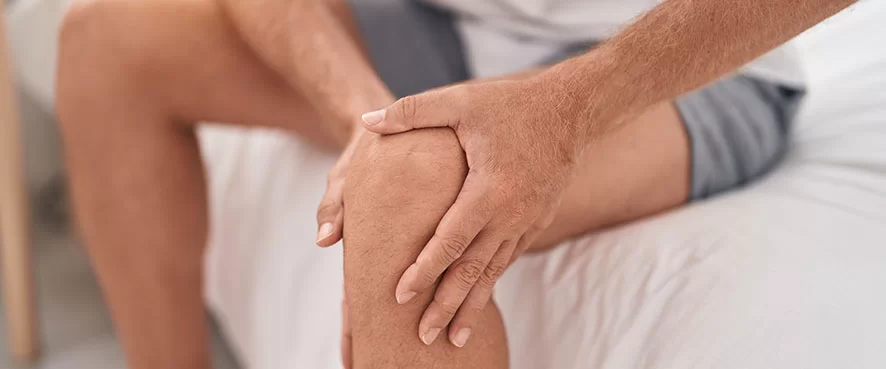
The meniscus is a structure in the knee joint that can be considered as a kind of cushioning and adaptive pad. It is located in the knee joint between the femur and the tibia. These two soft tissue structures allow the knee to move and at the same time protect the knee joint by absorbing impacts.
Each knee has two C-shaped menisci - one medial (inner) and one lateral (outer). They help stabilize the knee joint during movement and protect the joint surfaces from wear.
Conditions causing meniscus injuries
Meniscus injuries are usually caused by sudden or repetitive trauma to the knee joint. For example:
- Sports injuries: Meniscus injuries can occur during activities such as sudden turning, sharp twisting, or falling, especially during sports activities such as football, basketball, tennis, skiing, and volleyball.
- Excessive bending: Excessive bending of the knee, especially during weight-lifting exercises or anti-gravity exercises, can lead to meniscus damage.
- Falls onto the knee: Falls, direct impacts to the knee, or contact with a hard surface can lead to meniscus tears.
- Aging: During the aging process, meniscus tissue begins to wear and becomes more vulnerable. This can increase the likelihood of meniscus tears.
- Repetitive stress: Long-term repetition of strenuous movements or excessive use can strain the meniscus and lead to its wear. Professions or activities that place excessive stress on the knee can particularly contribute to this condition.
- Abnormal bone shapes and positions: Abnormal shapes or positions between the bones in the knee joint can lead to unusual pressure on the meniscus and injury.
Although meniscus injuries are often associated with a specific traumatic event or activity, sometimes the cause of the injury may not be clear. Meniscus wear may also occur, especially in advanced age, with degenerative changes and chronic overloading.
Symptoms of Meniscus Injury
Symptoms of meniscus injuries can vary among different people and differ depending on the severity of the injury. However, the following symptoms are usually associated with meniscus injury:
If you have one or more of the listed symptoms, you may suspect that you have a knee problem. In this case, it is important to contact a doctor or specialist to assess the situation. The specialist will determine the best treatment for you by performing a physical examination and, if necessary, imaging studies.
Treatment of meniscus injuries: Surgical and non-surgical options
Treatment of meniscus injury varies depending on the type and size of the damage, the patient's age, physical condition, and the severity of symptoms. While mild or moderate meniscus injuries can usually be treated with non-surgical methods, in some cases surgical intervention may be necessary.
Surgical treatment is usually recommended in the following cases:
Meniscus surgery is usually performed using the arthroscopic method. This involves inserting a camera and surgical instruments through small incisions in the knee. This minimally invasive approach can reduce recovery time and the risk of complications.
Not all cases of damaged meniscus require surgery. Small tears and mild symptoms can usually be managed with conservative treatment such as rest, physical therapy, medications, etc. The treatment plan depends on the individual condition of the patient and the characteristics of the injury. Therefore, it is important to consult an orthopedist or specialist if meniscus damage is suspected. The specialist will assess the patient's condition and determine the most appropriate treatment options.
Non-surgical treatment options for damaged meniscus may include the following:
Rest: Resting the injured knee can support the recovery process. It is important to allow the damaged meniscus to heal by avoiding excessive activity.
Ice application: It may be helpful to apply ice at regular intervals to reduce knee swelling. Ice can reduce pain and control swelling. However, be careful not to come into direct contact with your skin when applying ice, and do not exceed the application time.
Compression: You can wrap your knee with the help of compression garments, such as knee bandages or elastic wraps. This can help reduce swelling and support your knee.
Elevation: After a knee injury, you can reduce swelling by elevating your knee above heart level. This can accelerate the healing process by increasing blood flow.
Physical therapy: Exercises and physical therapy programs with a physiotherapist can help strengthen knee muscles, increase flexibility, and stabilize your knee. Your physiotherapist will develop specific exercises and therapies for you.
Medications: On your doctor's advice, you can take prescription or over-the-counter medications to control pain and inflammation. This can often include painkillers, nonsteroidal anti-inflammatory drugs (NSAIDs), or steroid injections.
Collagen or glucosamine-chondroitin supplements: Some people may prefer to use collagen or glucosamine-chondroitin to support joint health. However, although there is no convincing evidence of the effectiveness of these supplements, they may help reduce symptoms in appropriate patients, so it is important to talk to your doctor and obtain information before starting them.
Whether these treatment options will be effective may vary depending on the type and severity of the injury and the overall health condition of the patient. If you suspect meniscus damage, it is recommended to seek consultation from an orthopedic specialist or physician and undergo the necessary examinations and imaging studies. An accurate diagnosis will help determine the appropriate treatment options.
Dr. Huseyin Gunay
Orthopedics and Traumatology Specialist
 Viber
Viber
 Whatsapp
 Phone
Phone