




With each passing day, oncological (cancer) diseases are moving to higher positions in the statistics of treatable diseases, which is mainly due to the significant progress in early diagnosis and treatment. In most cases, surgical intervention is one of the most important steps in the treatment of cancer. Removal of the affected area is the primary treatment for many types of oncological diseases.
With a medical team of experienced specialists, modern equipment, and contemporary treatment approaches, we provide the highest level of healthcare services in the field of oncological surgery. If you notice any of the signs associated with the types of diseases listed below, do not neglect consulting a doctor who is a specialist in the respective field.
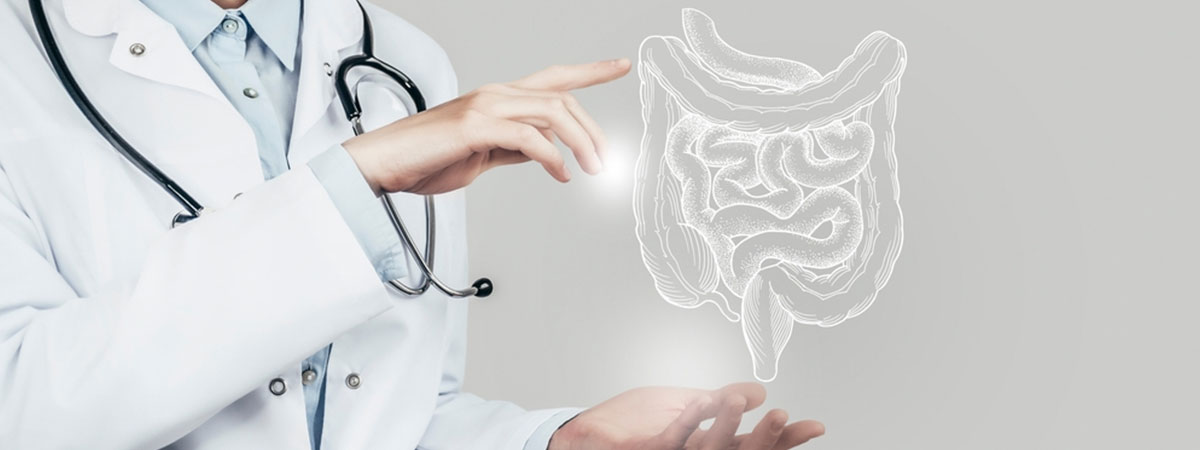
Symptoms: abdominal pain, bloating, digestive disorders, weight loss, anemia
When there is suspicion of oncological diseases of the digestive system, patients can be diagnosed using imaging methods such as endoscopy, computed tomography, and magnetic resonance imaging (MRI). After diagnosis and staging of the disease, laparoscopic methods can be used to perform therapeutic operations. With the laparoscopic surgical method, the intervention is performed through several small openings without making large incisions, which in turn minimizes the risks of postoperative complications.
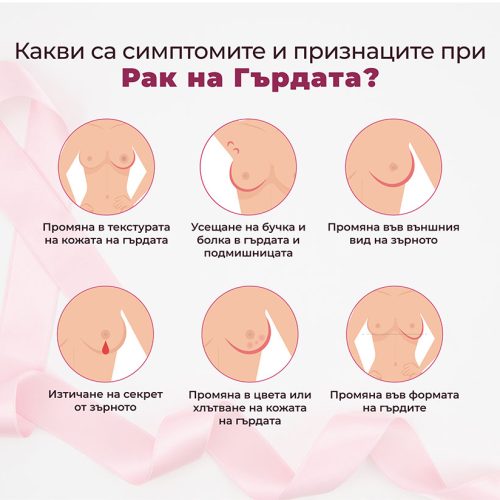
Symptoms: Breast swelling, redness, edema, swelling of the armpits
Depending on the disease detected after ultrasound, mammography, and MRI examinations, and after the biopsy procedure, a therapeutic operation may be planned. During the surgery, frozen section analysis and sentinel lymph node biopsy can be performed.

Symptoms: Neck swelling, hypothyroidism, difficulty swallowing, shortness of breath.
The entire neck and thorax are scanned and a total thyroidectomy is prepared.
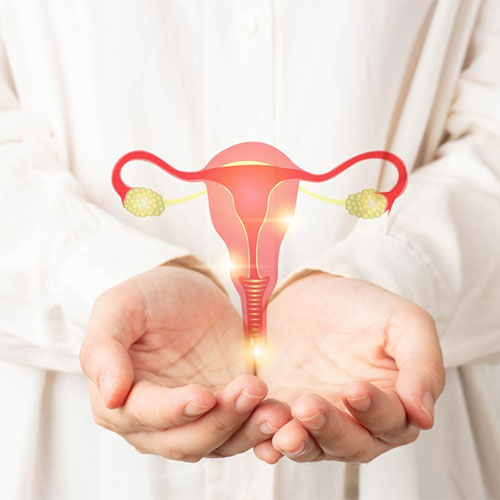
Symptoms: Pain, discomfort or pressure in the lower abdomen (pelvic area), abdominal bloating, unexplained weight loss, formation of cancerous masses in the genital area, unusual or prolonged bleeding or spotting (particular attention should be paid to bleeding during menopause).
Treatment for each patient is different and treatment decisions are influenced by many factors, including the location of the disease, stage of the disease, patient age, and other health problems.

Symptoms: Vaginal bleeding, unexpected unusual vaginal discharge, pelvic pain (lower abdomen), pain or spotting during intercourse.
Cervical cancer is a preventable type of cancer that develops slowly, and therefore, if diagnosed and treated at an early stage, most people can achieve a complete cure.
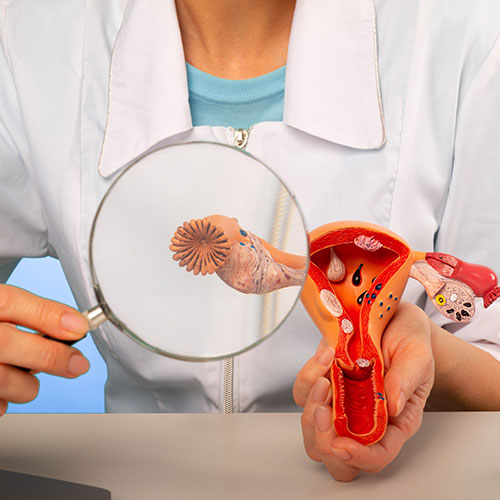
Symptoms: Abdominal enlargement, persistent bloating, poor digestion and bowel complaints, frequent need to urinate and/or urinary incontinence.
In the treatment of ovarian cancer, surgery and chemotherapy are the preferred first-line options.

Symptoms: Severe headache, nausea, and vomiting
With our experienced team, using modern technology, we perform surgical operations to remove brain tumors that threaten life and cause paralysis or loss of function to varying degrees.
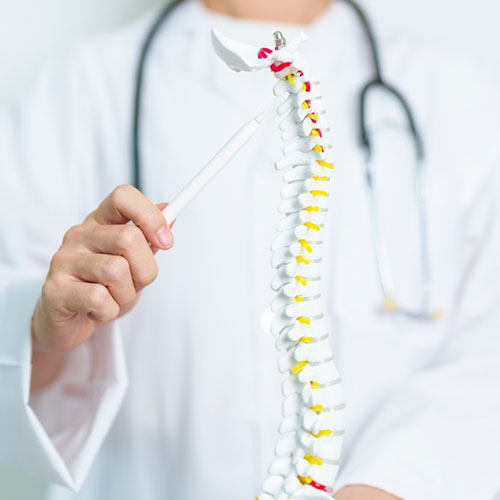
Symptoms: This is pain that usually appears in a specific part of the spine and spreads upward (e.g., neck pain, lower back pain). The pain occurs especially at night and worsens with physical activity.
We use modern technologies against tumors that cause paralysis of the lower back, back, and neck, and safely perform tumor surgery by conducting neuromonitoring and continuous nerve measurements during the operation.
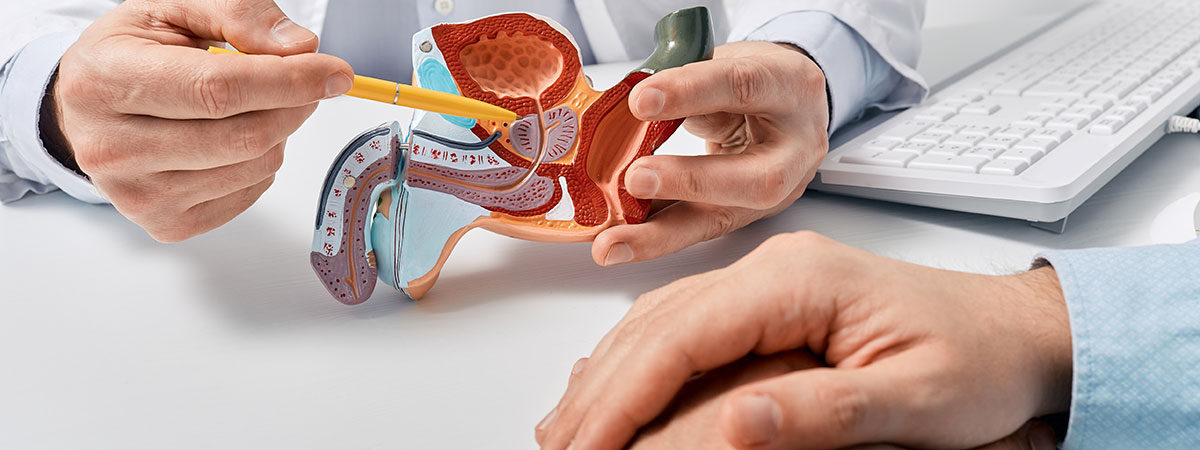
Symptoms: Difficulty urinating, decreased urinary stream force, blood in semen or urine, pain during ejaculation, groin discomfort, bone pain, erectile dysfunction.
If detected early, complete cure is possible. It is determined through prostate-specific antigen (PSA) tests. Although there are treatment alternatives such as radiation therapy, the most effective treatment today is still surgery. The prostate and adjacent organs, tissues, and lymph nodes are surgically removed and cleared. With the latest developments in surgical techniques, nerve-sparing surgery can be performed and the side effects of the operation can be minimized.
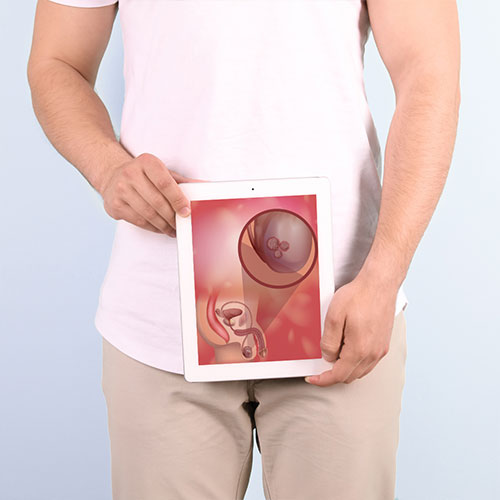
It is most commonly observed in men between 20 and 40 years of age. The easiest method of detection is physical examination by hand. Every man should examine his testicles from time to time. In cases such as changes in shape or hardness in the testicular area, a urologist should be consulted.
In testicular cancer, the tumor and the testicle are removed together. With early diagnosis, timely surgical intervention is sufficient for treatment. However, depending on the type and stage of the disease, additional treatments such as chemotherapy may often be necessary.
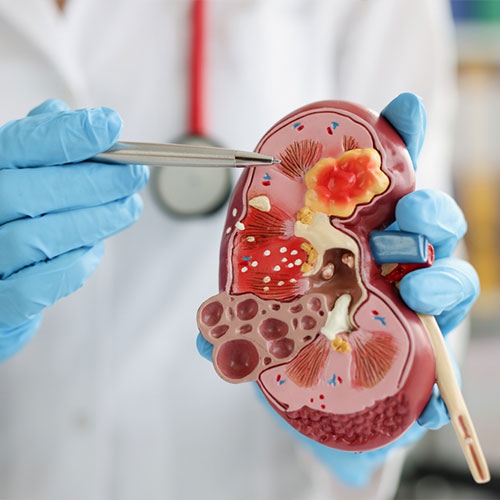
In recent years, thanks to widely available, easy, and accessible imaging methods such as ultrasound, 70% of kidney cancer cases can be diagnosed at an earlier stage, even before they cause symptoms.
Currently, there is no effective treatment for kidney cancer other than surgery. Surgical removal of kidney tumors, whether early or late stage, and any metastases if present, provides significant benefit in treating the disease. For appropriately detected early-stage kidney cancers, kidney-sparing surgeries are now performed. By removing only the cancerous tissue, both kidneys can be preserved intact.
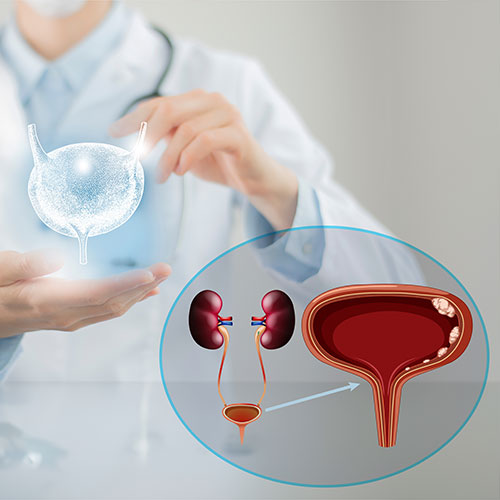
Symptoms: The most common symptom is the presence of blood in urine that is not accompanied by pain. Changes in urination frequency and prolonged burning sensation during urination can also be symptoms.
It is detected by ultrasound, but the definitive diagnosis is made by cystoscopy, i.e., by entering the urinary tract with a camera. For superficial bladder cancer, tumor removal and careful follow-up are sufficient for treatment. For invasive bladder cancer, on the other hand, more effective treatments are needed as the disease can have a much worse prognosis. The most effective "gold standard" treatment for bladder cancer is complete removal of the bladder and adjacent organs and lymph nodes. A new drainage system is created in place of the removed bladder, depending on the disease and the patient's condition. During the bladder removal surgery, a new system is often created using the small intestine. Sometimes a bag is attached to this system on the abdominal skin. Sometimes it is connected to the old urinary tract, allowing the patient to urinate naturally.
 Viber
Viber
 Whatsapp
 Phone
Phone