


Last updated: 17 февруари 2026
To schedule an appointment, leave us your contact information and our English-speaking colleagues will contact you to provide more detailed information.
Yılan Yapısı 130633822
Early Diagnosis Can Save Lives! "CHECK UP"

The easiest way to avoid possible future health problems and maintain your quality of life is to undergo regular preventive check-ups.

The purpose of preventive check-ups is to detect newly developing diseases before they have produced symptoms or complaints. In this way, the aim is to prevent the progression and spread of diseases through early diagnosis.


Yılan Yapısı 1788317905
WHAT SHOULD YOU PAY ATTENTION TO BEFORE COMING FOR A CHECK-UP?
  • On the day of the check-up, we will ask you to be at the hospital at 08:30 in the morning.
  • Please make sure to come fasting on the day and time of the examination. We recommend stopping food intake at 21:00 the evening before the check-up (you may drink water until 24:00).
  • If you are pregnant or suspect that you might be, please make sure to indicate this before starting the procedures.
  • Do not smoke. Do not use tobacco products in any form before and during the entire check-up examination.
Kadın Vip
Erkek Vip
Gold Checkup
Kalp Sağlığı
Akciğer Sağlığı
Omuzga Bel Boyun
Baş Ağrısı
Sindirim
Unutkanlığı Unut
Tiroid
Frequently Asked Questions
  • IMAGING STUDIES:
    • CHEST X-RAY: This is a non-invasive diagnostic method that uses X-rays to create images of the organs and structures in the chest. It is a widely used examination for evaluating the condition of the lungs, heart, and chest wall. Chest X-ray is a fast, accessible, and effective method that provides key information about the condition of organs in the thoracic cavity and allows timely diagnosis and treatment of numerous diseases.
    • DIGITAL MAMMOGRAPHY: This is an X-ray examination used to visualize the structure of the mammary glands. It is a primary method for screening and diagnosing breast diseases, especially for early detection of breast cancer. Digital mammography is a key tool for prevention, diagnosis, and treatment of mammary gland diseases, and its regular performance is an important step toward preserving women's health.
    • ABDOMINAL ULTRASOUND: This is a non-invasive examination that uses high-frequency sound waves to create images of the internal organs in the abdominal area. This examination is widely used for diagnosing and monitoring various conditions related to abdominal organs such as the liver, kidneys, pancreas, gallbladder, and spleen. Abdominal ultrasound is a fast, safe, and painless examination that provides valuable information about the condition of abdominal organs and helps in early diagnosis and prevention of serious diseases.
    • BREAST ULTRASOUND: This is a non-invasive ultrasound examination used to evaluate the condition of the mammary glands and detect various changes or diseases. This examination is an important complementary method after mammography, especially in younger women or those with denser breast tissue, when mammography may be less effective. Breast ultrasound is a valuable tool for early detection and monitoring of breast diseases, providing additional diagnostic capabilities, especially in cases where other methods do not provide sufficient information.
    • THYROID ULTRASOUND: This is a non-invasive ultrasound examination used to evaluate the condition of the thyroid gland and detect various diseases or abnormalities. The thyroid gland is an important organ that controls many functions in the body, such as metabolism, energy levels, and growth. Thyroid ultrasound is an important diagnostic tool for early detection of problems with this organ.
    • URINARY SYSTEM ULTRASOUND: This is a non-invasive ultrasound examination used to evaluate the condition of the kidneys, ureters, urinary bladder, and other parts of the urinary system. This examination helps diagnose various diseases and abnormalities related to the urinary tract. Urinary system ultrasound is a fast and safe examination that does not require special preparation and does not cause pain to the patient.
  • ENDOSCOPIC PROCEDURES:
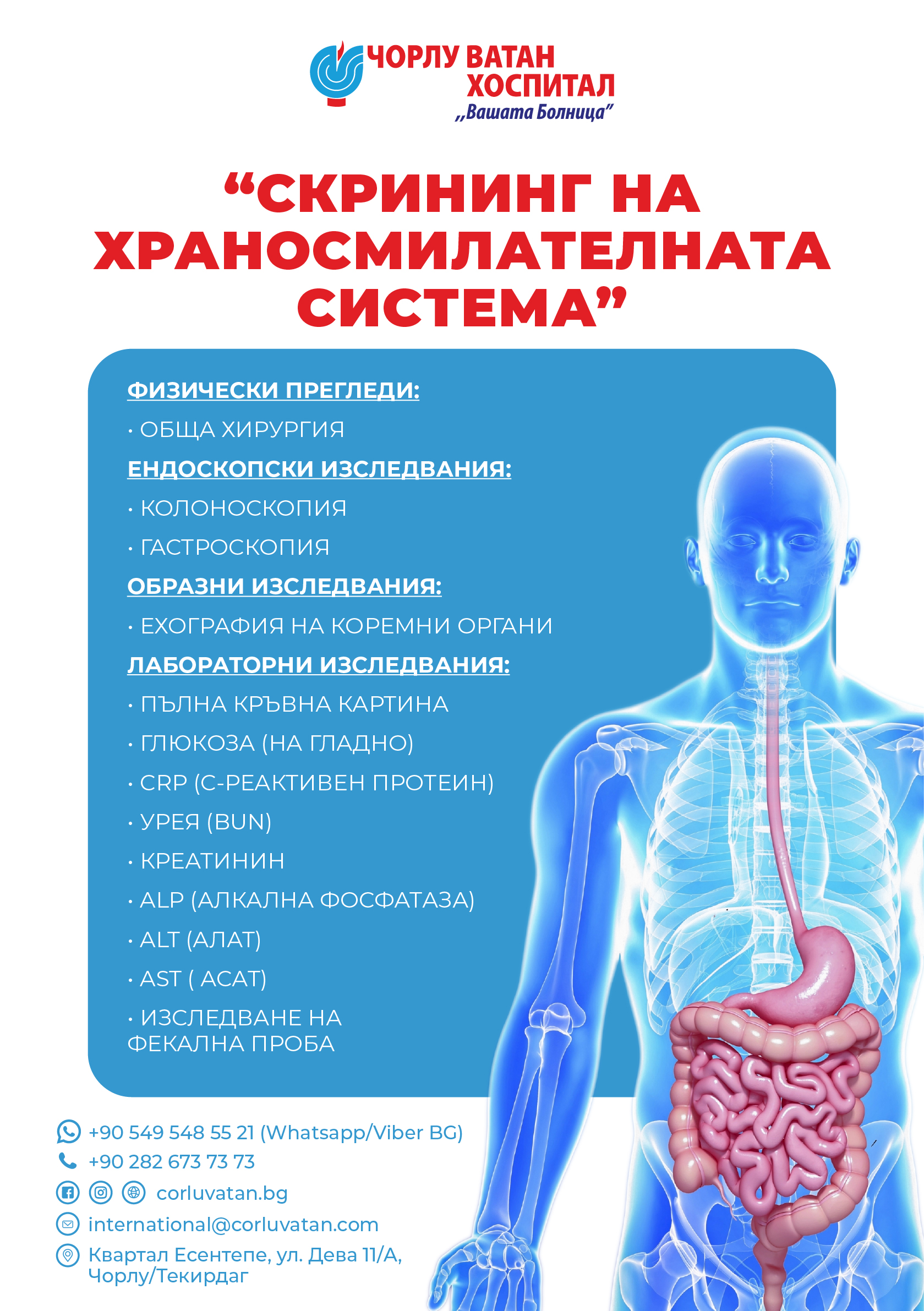
    • COLONOSCOPY: Colonoscopy is an endoscopic examination that allows direct visualization of the inner surface of the large intestine and rectum. Colonoscopy is a fundamental examination for maintaining colon health, providing the opportunity for early detection and effective treatment of serious diseases.
    • GASTROSCOPY: Gastroscopy (upper gastrointestinal endoscopy) is an examination that allows direct viewing of the inner lining of the esophagus, stomach, and the beginning of the small intestine (duodenum) using a flexible tube with a camera. Gastroscopy is a primary tool for diagnosis and treatment, providing precise information about the condition of the upper gastrointestinal tract and the possibility of early intervention when needed.
  • CARDIOLOGY EXAMINATIONS:
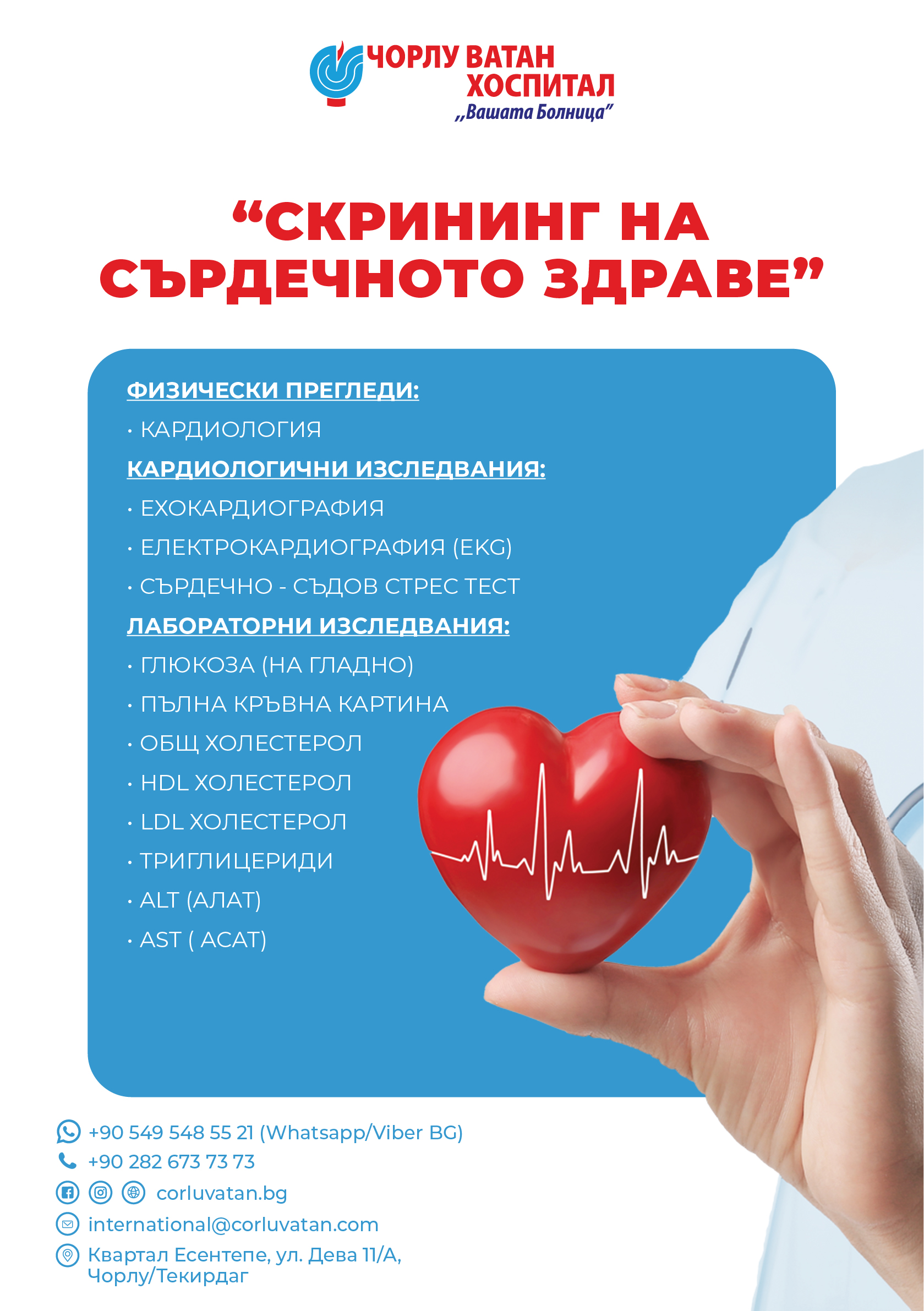
    • ECHOCARDIOGRAPHY: Echocardiography (Echo) is a non-invasive diagnostic method that uses ultrasound waves to create images of the heart and its surrounding structures. It provides valuable information about the anatomy, function, and dynamics of the heart muscle and valves. Echocardiography is a safe, reliable, and widely used method for evaluating cardiac health and supports early diagnosis and treatment of various cardiological conditions.
    • ELECTROCARDIOGRAPHY (ECG): This is a fast, non-invasive examination that records the electrical activity of the heart through electrodes placed on the skin. It is a primary method for evaluating cardiac function and is used in numerous clinical situations. ECG is a safe and accessible method that provides valuable information about heart health, enabling early diagnosis and appropriate treatment of various cardiac conditions.
    • CARDIOVASCULAR STRESS TEST: The cardiovascular stress test (also known as an exercise test or bicycle ergometry) is a diagnostic examination that evaluates how the heart responds to physical exertion. It is used to identify various cardiovascular diseases and monitor the health status of the heart. The cardiovascular stress test is safe when conducted by specialists and provides important information about the condition of the cardiovascular system, enabling early diagnosis and prevention of serious complications.
  • PULMONOLOGY EXAMINATIONS:
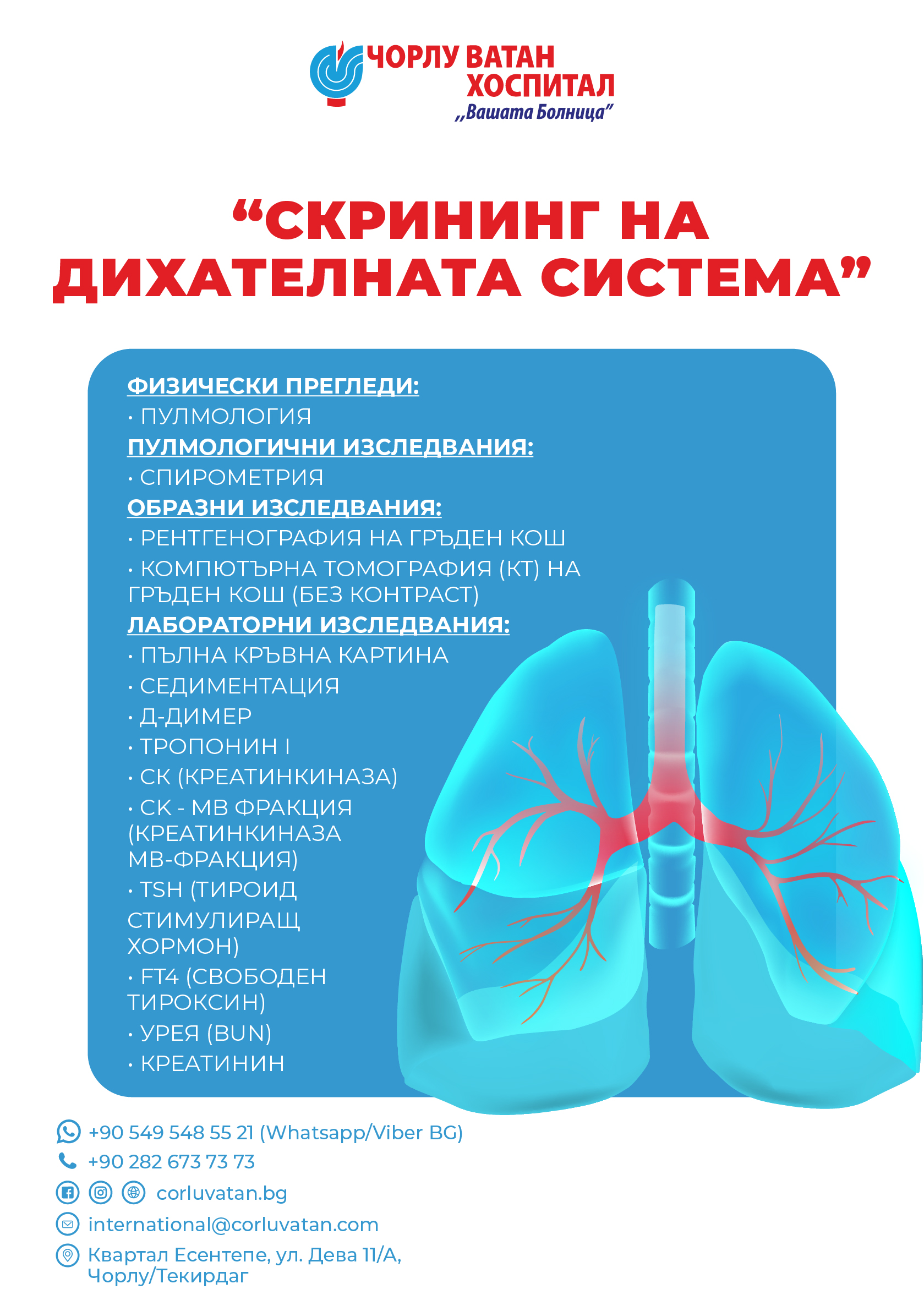
    • SPIROMETRY: This is a non-invasive examination that measures pulmonary function by evaluating the volume and speed of air that the patient inhales and exhales. Spirometry is a fast and safe method that provides important information about the health of the respiratory system and helps with timely diagnosis and treatment.
  • ENT EXAMINATIONS:
    • AUDIOMETRY: This is a diagnostic examination that evaluates a person's auditory function and their ability to perceive sounds of various frequencies and intensities. Audiometry is a safe, non-invasive, and accurate method that provides key information about the condition of the auditory system.
  • OPHTHALMOLOGY EXAMINATIONS:
    • UROFLOWMETRY: This is a non-invasive diagnostic examination used to evaluate the flow of urine during urination. The results of the examination provide important information about the condition of the urinary tract.
  • LABORATORY EXAMINATIONS:
    • COMPLETE BLOOD COUNT: The complete blood count is a fundamental diagnostic tool that provides valuable information about the overall condition of the body and can help in the early detection of numerous diseases. In addition to diagnosing anemia, this test is of essential importance in the diagnosis and treatment of many blood diseases and infections.
    • CRP (C-REACTIVE PROTEIN): This test is of essential importance in diagnosing and monitoring the effectiveness of treatment for acute inflammatory and infectious diseases.
    • SEDIMENTATION RATE – The sedimentation rate test is a valuable test for detecting inflammatory processes, infections, autoimmune diseases, and certain types of oncological diseases. Although it does not provide a specific diagnosis, it plays a key role in the early detection and monitoring of numerous diseases.
    • FASTING GLUCOSE: The fasting glucose test is performed to diagnose diabetes and prediabetes, as well as to monitor existing diabetic conditions. It is also used for diagnosing hypoglycemia and assessing cardiovascular disease risk.
    • Hb A1C (GLYCATED HEMOGLOBIN): The Hb A1c (glycated hemoglobin) test is used to assess average blood sugar (glucose) levels over the past 2-3 months. It is an important test for diagnosing and monitoring diabetes and other conditions related to glucose metabolism disorders. This test provides valuable information about long-term blood sugar levels and is an important marker for assessing the risk of diabetic complications.
    • TOTAL CHOLESTEROL: Total cholesterol is an important indicator of lipid metabolism and is one of the fundamental tests of the lipid profile. The total cholesterol test measures the cholesterol level in the blood and aims to assess the risk of cardiovascular diseases such as myocardial infarction and stroke.
    • HDL CHOLESTEROL: This test is of essential importance in analyzing the lipid profile. The HDL cholesterol (high-density lipoprotein) test, known as "good" cholesterol, is used to assess cardiovascular health and the risk of cardiovascular diseases. In patients with elevated HDL values, the risk of developing cardiovascular diseases is considered to be lower.
    • LDL CHOLESTEROL: This test is one of the fundamental lipid profile tests. The LDL cholesterol (low-density lipoprotein) test, known as "bad" cholesterol, is used to assess cardiovascular risk and monitor cardiovascular system health. In patients with elevated LDL values, cardiovascular diseases are observed more frequently.
    • TRIGLYCERIDES: This test aims to measure the level of triglycerides in the blood, which are the main type of fats in the body. This test is important for assessing cardiovascular health and the metabolic condition of the patient. High triglyceride levels in the blood create a favorable environment for the development of atherosclerosis, myocardial infarction, stroke, as well as peripheral artery occlusion.
    • TSH (THYROID STIMULATING HORMONE): The TSH (Thyroid-Stimulating Hormone) test is performed to assess thyroid gland function and detect hormonal balance disorders that may affect overall health. The TSH test is key for diagnosing and managing thyroid gland diseases.
    • FT3 (FREE TRIIODOTHYRONINE): The FT3 (Free Triiodothyronine) test is performed to assess thyroid gland activity and diagnose various disorders in its function that may affect the hormonal balance in the body. The FT3 test is important for diagnosing thyroid gland diseases and monitoring the hormonal balance in the body.
    • FT4 (FREE THYROXINE): The FT4 (Free Thyroxine) test is performed to assess thyroid gland function, as thyroxine (T4) is the main hormone produced by the thyroid gland that regulates metabolism in the body. The FT4 test is important for diagnosing and monitoring thyroid gland diseases, as well as for assessing the hormonal balance in the body.
    • Anti TPO (ANTI-THYROID PEROXIDASE ANTIBODIES): The Anti-TPO test is a useful diagnostic tool for detecting and monitoring autoimmune thyroid diseases. This test can help in the early diagnosis of conditions such as Hashimoto's thyroiditis, Graves' disease, and other thyroid diseases, which is important for proper treatment and management of these conditions.
    • Anti TG (ANTI-THYROGLOBULIN ANTIBODIES): The Anti-TG (Anti-Thyroglobulin Antibodies) test is performed to diagnose autoimmune thyroid diseases and assess thyroid function. Elevated antibody levels may be an indicator of thyroid damage and require further evaluation and treatment.
    • TRAC (TSH RECEPTOR ANTIBODIES): The TRAC (TSH Receptor Antibodies) test is performed to diagnose and monitor thyroid gland diseases, most commonly Graves' disease. High levels of these antibodies are a primary indicator of hyperthyroidism of autoimmune origin, making the test key in managing conditions related to thyroid dysfunction.
    • TOTAL PSA (TOTAL PROSTATE-SPECIFIC ANTIGEN): This is a blood test that measures the PSA level in the blood. PSA is a protein produced by the prostate gland and is used as an indicator of prostate health. The PSA test is most commonly used for early detection of prostate cancer.
    • TOTAL BILIRUBIN: The total bilirubin test is a useful tool for diagnosing various diseases related to the liver, bile, and hemolysis, and plays an important role in early diagnosis and monitoring of these conditions.
    • DIRECT BILIRUBIN: Direct bilirubin is part of the total bilirubin test, measuring only the conjugated (or bound) bilirubin. The direct bilirubin test is important for diagnosing and monitoring various liver diseases, bile duct obstructions, and jaundice.
    • ALT (ALAT): The ALT (Alanine Aminotransferase) test is an important test for detecting liver damage and diagnosing various liver diseases. High ALT levels can signal inflammation or toxic liver damage, making the test useful for diagnosis, treatment monitoring, and liver function tracking.
    • AST (ASAT): The AST (Aspartate Aminotransferase) test is an important test that helps in diagnosing numerous diseases related to the liver, heart, muscles, and kidneys. The primary purpose of the AST test is to diagnose liver diseases such as hepatitis, cirrhosis, hepatic steatosis, and other liver damage. Elevated AST levels can signal liver damage, making the test useful for diagnosing, monitoring treatment, and tracking the patient's health condition.
    • GGT (GAMMA-GLUTAMYL TRANSFERASE): The GGT (Gamma-Glutamyl Transferase) test is useful for diagnosing and monitoring liver diseases, bile duct conditions, alcohol dependence, and the effects of medications used. High GGT levels may indicate liver damage and damage to other organs, making the test important for detecting numerous health problems.
    • ALP (ALKALINE PHOSPHATASE): The ALP (Alkaline Phosphatase) test is important for diagnosing and monitoring diseases of the liver, bones, and bile ducts. Elevated ALP levels may indicate the presence of diseases such as hepatitis, cirrhosis, osteoporosis, or biliary obstructions.
    • FERRITIN: The ferritin test is a useful tool for diagnosing iron deficiency anemia, hemochromatosis, inflammatory conditions, and liver diseases. It helps assess iron stores in the body, as well as monitor iron supplement treatment.
    • IRON: The blood iron test is important for diagnosing iron deficiency anemia, hemochromatosis, assessing iron stores in the body, and the functioning of organs involved in iron metabolism, such as the liver and kidneys.
    • TOTAL IRON-BINDING CAPACITY: This test is used to diagnose conditions related to iron deficiency or excess in the body. It helps in diagnosing iron deficiency anemia, hemochromatosis, liver diseases, as well as monitoring iron treatment and assessing inflammatory conditions.
    • UREA (BUN): This test is of essential importance for diagnosing and monitoring the treatment of kidney diseases and for evaluating kidney function (renal insufficiency).
    • URIC ACID: The uric acid test is an important tool for diagnosing and monitoring diseases such as gout, kidney diseases, and urolithiasis.
    • CREATININE: The creatinine test is primarily used for evaluating kidney function and is part of routine tests for diagnosing kidney diseases. Regular measurements of its levels are important for prevention, early diagnosis, and management of kidney diseases.
    • ALBUMIN: The albumin test is important for diagnosing and monitoring nutritional disorders, diseases of the liver, kidneys, and digestive system.
    • TOTAL PROTEIN: The total protein test is used for diagnosing and monitoring various diseases, including liver, kidney, immune disorders, and nutritional deficiencies. Changes in protein levels can be indicative of serious diseases that require further investigation and treatment.
    • VITAMIN D (25-HYDROXYVITAMIN D): The vitamin D (25-hydroxyvitamin D) test is important for diagnosing and preventing numerous conditions related to vitamin D deficiency or excess, such as bone diseases, cardiovascular diseases, autoimmune diseases, and immune system problems.
    • VITAMIN B12: The vitamin B12 test is performed to assess the level of this vitamin in the body. The vitamin B12 test is of essential importance for diagnosing deficiency, which can lead to numerous health problems, including anemia, neurological diseases, and mental disorders.
    • SODIUM (Na): This blood test measures the sodium level in the blood. The sodium test is important for diagnosing and monitoring multiple conditions related to fluid-electrolyte balance and kidney function.
    • POTASSIUM (K): This blood test measures the potassium level in the blood. The potassium test is important for diagnosing and monitoring various diseases and conditions related to fluid-electrolyte balance, kidney function, and cardiovascular health.
    • CHLORIDE (Cl): This blood test measures the chloride level in the blood. The chloride test is an important test for diagnosing and monitoring disorders in electrolyte balance and acid-base balance. This test helps in the early detection of various health problems related to kidney function, fluid-electrolyte balance, and other important physiological processes.
    • CALCIUM (Ca): This test is of essential importance for diagnosing and monitoring the treatment of diseases of the skeletal system (osteoporosis), kidneys, parathyroid glands, and gastrointestinal tract.
    • PHOSPHORUS: Phosphorus is a mineral that plays a vital role in numerous biochemical processes and maintaining the health of bones and teeth. The phosphorus test is an important diagnostic tool for assessing the health of bones, kidneys, metabolism, and the endocrine system.
    • D-DIMER: D-dimer is a protein fragment that forms during the breakdown of a blood clot. The D-dimer test is key for diagnosing, monitoring, and evaluating conditions related to blood coagulation and thrombosis. It is extremely useful for quickly ruling out or confirming life-threatening diseases.
    • TROPONIN I: Troponin I is a cardiac biomarker that is tested to diagnose and monitor cardiac diseases. The primary purpose of this test is to assess the presence of damage to the heart muscle (myocardium).
    • CK (CREATINE KINASE): Measuring CK provides valuable information about the condition of muscles and the heart, as well as for diagnosing diseases or damage related to them, which in turn enables early detection and effective management of serious medical conditions.
    • CK-MB FRACTION (CREATINE KINASE MB FRACTION): This test is performed to assess the condition of the heart muscle and diagnose damage related to it, such as myocardial infarction or other cardiac diseases. This enables early diagnosis and effective treatment of cardiac damage that may be life-threatening.
    • TOTAL IgE (IMMUNOGLOBULIN E): Total IgE (Immunoglobulin E) is tested to assess allergic reactions, the presence of parasitic infections, or certain immune system diseases.
    • HBsAg (HEPATITIS B): HBsAg (Hepatitis B Surface Antigen) is tested to diagnose active hepatitis B virus (HBV) infection, monitor the patient's condition, and assess the risk of virus transmission.
    • Anti-HBs (ANTI-HEPATITIS B ANTIBODIES): Anti-HBs (anti-hepatitis B antibodies) are tested to determine the presence of immunity against the hepatitis B virus (HBV) or to assess the effectiveness of hepatitis B vaccination.
    • Anti-HCV (ANTI-HEPATITIS C ANTIBODIES): Anti-HCV (anti-hepatitis C antibodies) is a blood test used to detect the presence of antibodies to the hepatitis C virus (HCV). These antibodies are produced by the body in response to infection with the virus.
    • Anti-HIV (ANTI-HIV ANTIBODIES): Anti-HIV (anti-HIV antibodies) is a blood test used to detect antibodies against the human immunodeficiency virus (HIV). These antibodies are produced by the body in response to HIV infection, the virus that causes acquired immunodeficiency syndrome (AIDS).
    • TUMOR MARKER CA 125: This laboratory test provides valuable information for screening, early diagnosis, and treatment monitoring of ovarian cancer.
    • TUMOR MARKER CA 15-3: This laboratory test provides valuable information for screening, early diagnosis, and treatment monitoring of breast cancer.
    • TUMOR MARKER CA 19-9: This laboratory test provides valuable information for early diagnosis and treatment monitoring of pancreatic carcinoma, colon cancer, and bile duct cancer.
    • TUMOR MARKER CEA: This is a laboratory test that measures the level of a specific protein in the blood called CEA. This marker is used for diagnosing and monitoring the treatment of colon cancer, pancreatic cancer, stomach cancer, lung cancer, and breast cancer.
    • COMPLETE URINALYSIS: This test is extremely important for diagnosing various diseases related to the kidneys, urinary tract, and urinary bladder. It helps detect infections, kidney problems, diabetes, metabolic disorders, and even early detection of serious oncological diseases.
    • FECAL SAMPLE ANALYSIS: The fecal sample analysis is performed to diagnose various diseases and conditions related to the gastrointestinal system, as well as for early detection of serious diseases. This test can detect the presence of infection, inflammation, or cancer cells in the body.
    • PAP SMEAR TEST: The Pap smear test (Papanicolaou test) is an important laboratory test of key significance for cervical cancer prevention and early detection of precancerous or cancerous cells.