


Robotic surgery, also known as robot-assisted surgery, is a modern technique that uses robotic systems to perform minimally invasive procedures. These systems are entirely controlled by trained surgeons and offer advantages over traditional open or laparoscopic surgery - three-dimensional (3D) visual field, enhanced dexterity and stability of movements, as well as reduced surgeon fatigue.
It is important to emphasize that robotic surgery does not replace the surgeon. It is a tool that extends the surgeon's capabilities and increases precision and safety during the operation.
Main components of the system:
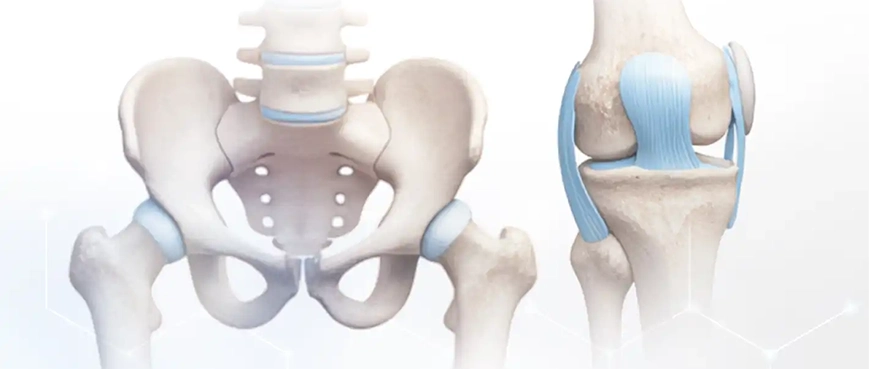
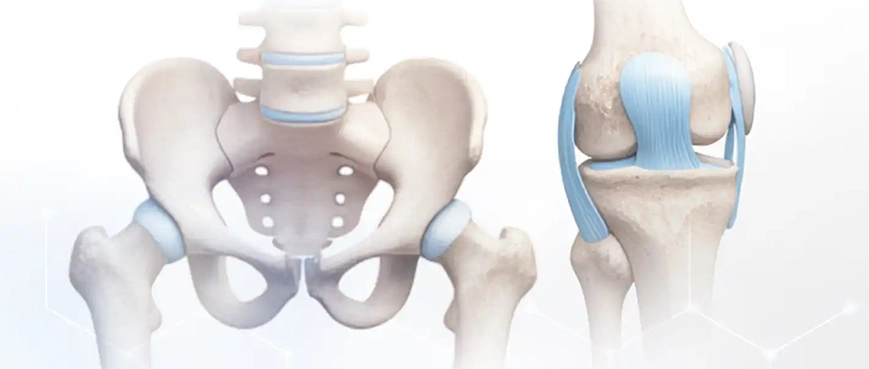
With the development of medicine and high technologies, robotic systems are increasingly entering orthopedics. This innovative method is used for prosthetic operations on the hip and knee joints. Operation planning, analysis of imaging studies, and the actual performance of the procedure are carried out with the help of robotic systems under the supervision and control of the surgeon. This guarantees high precision and safety, even in complex cases.
Advantages of robotic systems:
Placing the prosthesis in an anatomically ideal position slows down the processes of wear and loosening, which extends the implant's life and reduces the risk of discomfort or revision. The entire process is performed by the surgeon, while the robotic system serves for navigation and precise control. Practicing robot-assisted surgery requires special training and certification.
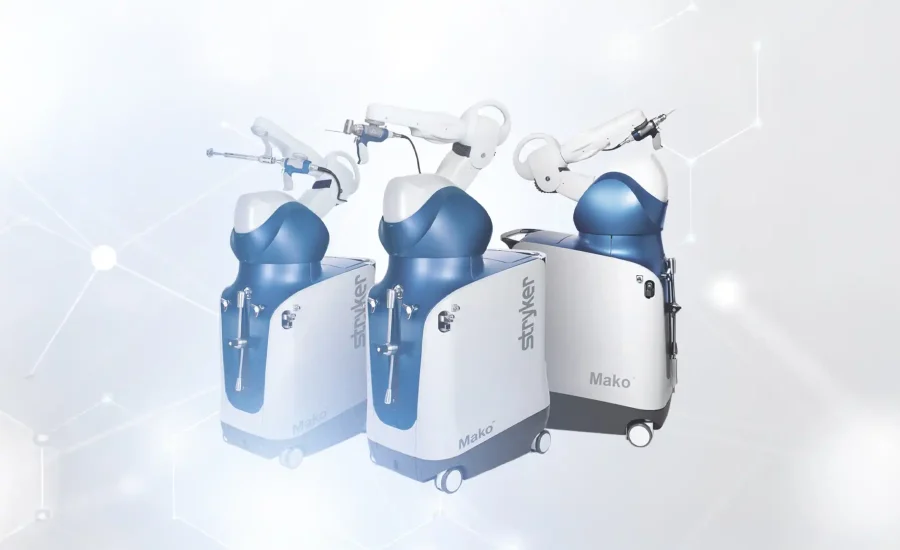
In our clinic, an interactive orthopedic system with robotic arm (Stryker MAKO) is used. The system not only guides the surgeon but also, through its specialized manipulator, ensures precise and controlled performance of bone cuts according to pre-set parameters.
Components include: surgical console/computer module with screen, optical camera, and robotic arm. Based on 3D planning, the surgeon creates an individual operative plan, tailored to the patient's anatomy.
The robotic arm guides the surgeon and does not allow deviation from safe boundaries, ensuring millimeter precision at every step. The system takes into account parameters such as:
The result is an ideal match between the implant and the anatomy, stability, and natural movement after surgery.
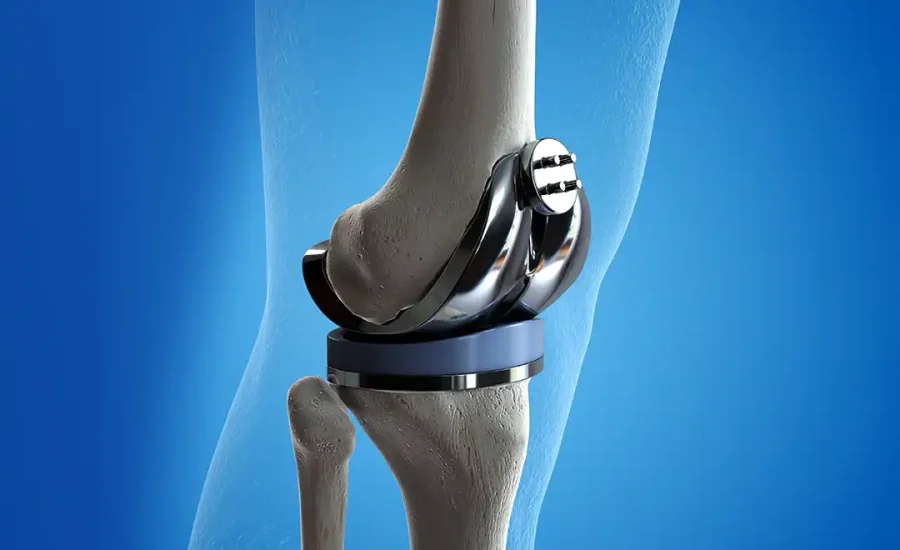
When using a robotic arm, only damaged areas are reconstructed, while healthy tissues are spared. This means:
Patients usually return to their active lifestyle earlier than with classic methods.
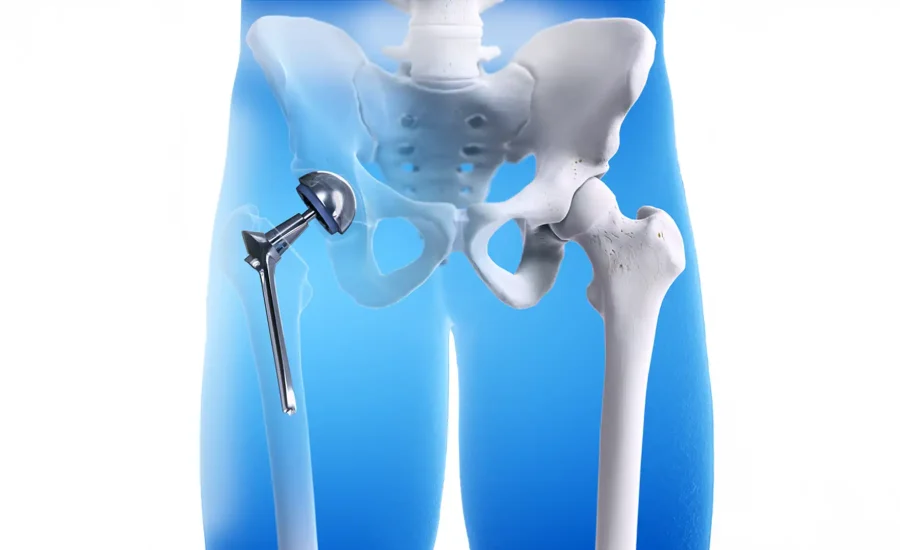
✓ Maximum precision and safety - CT-based 3D planning and haptic (tactile) boundaries that ensure full control and minimal damage to surrounding tissues.
✓ Less pain and medication - patients often report lower pain levels and less need for painkillers compared to traditional (manual) joint replacement.
✓ Faster recovery - early mobilization, stable implant, and better quality of life.
In our clinic, robot-assisted orthopedic operations are performed by certified surgeons with experience and high professionalism. The goal is more precise surgery, shorter recovery period, and better results for every patient.




 Viber
Viber
 Whatsapp
 Phone
Phone