




Last updated: 17 февруари 2026
To schedule an appointment, leave us your contact information and our English-speaking colleagues will contact you to provide more detailed information.
Videos
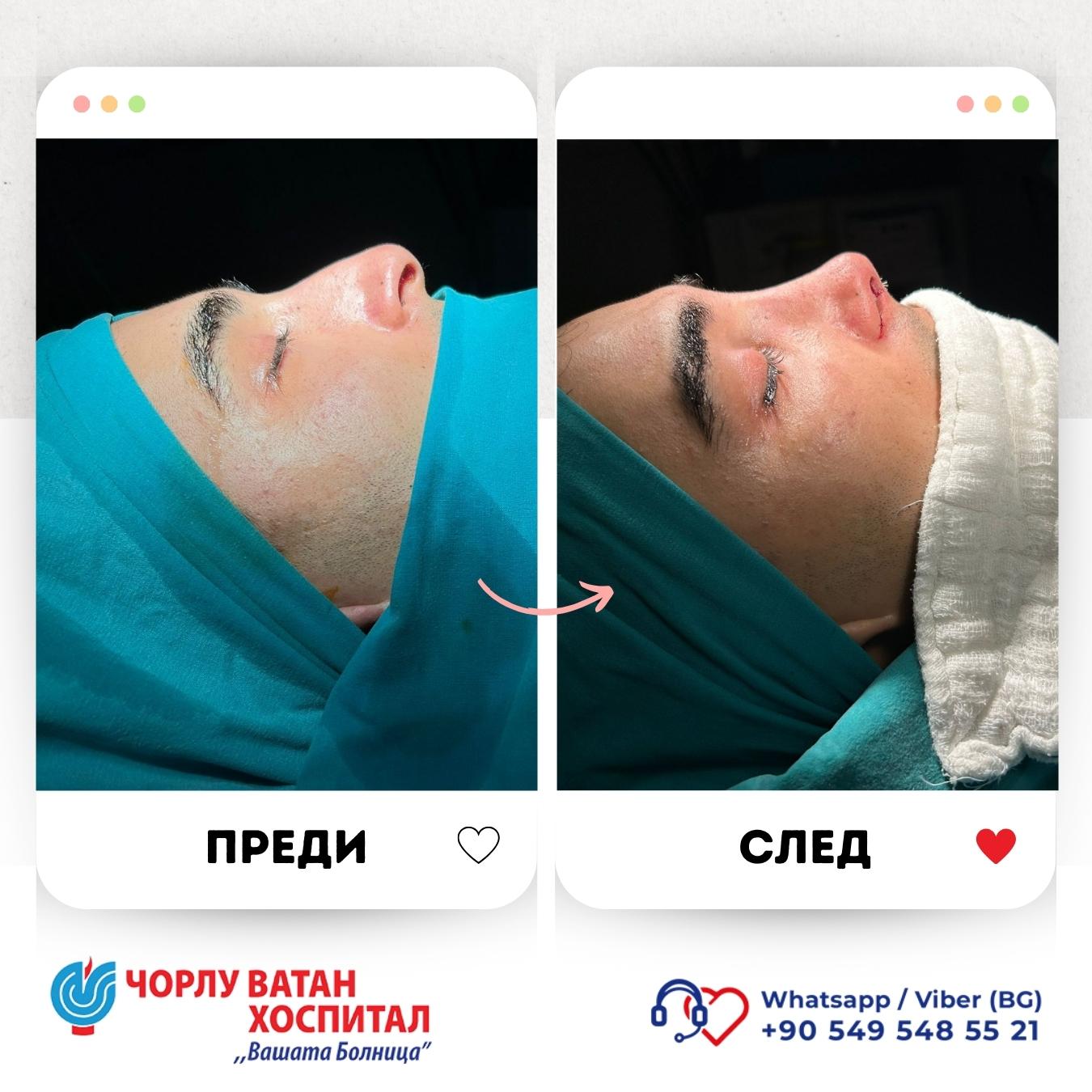
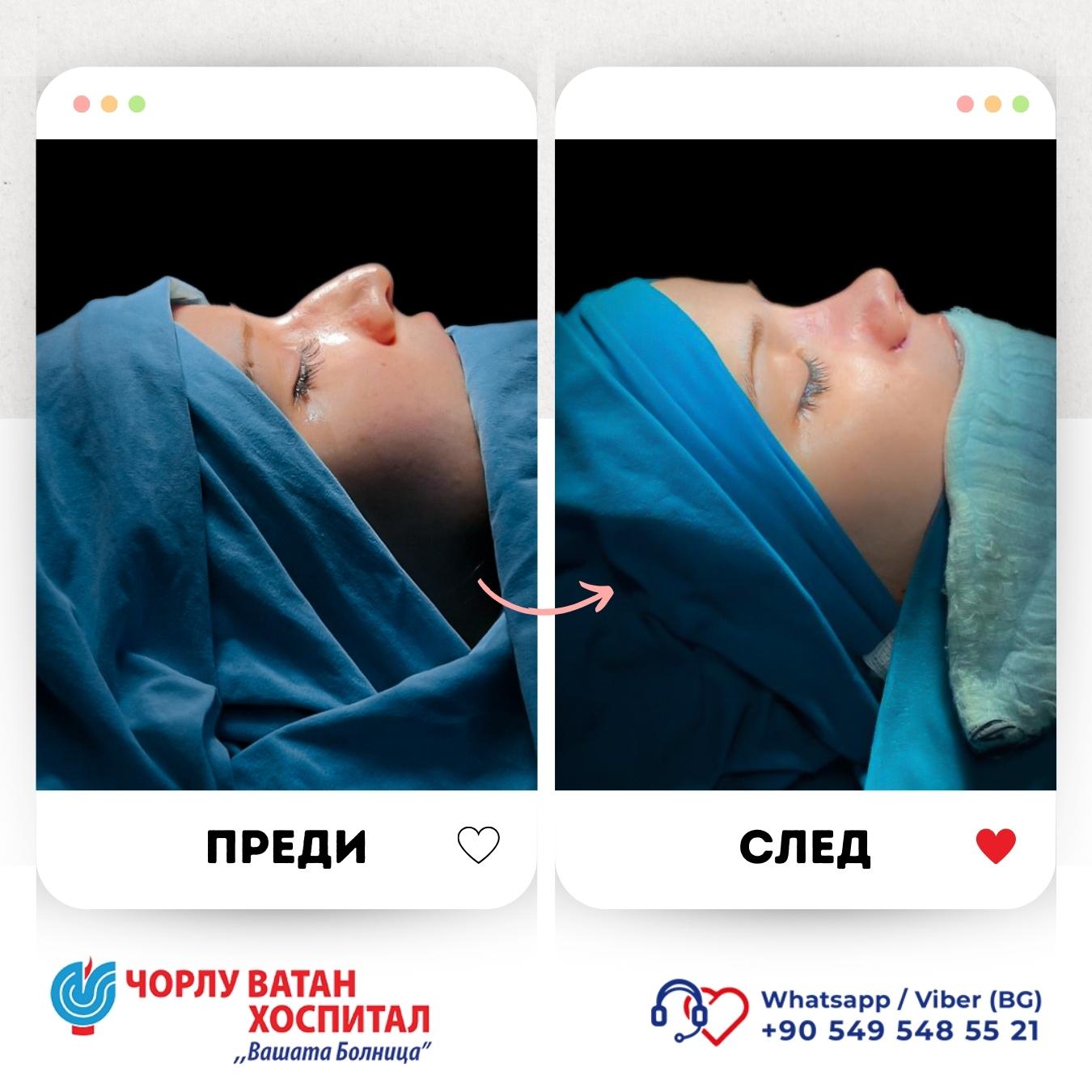
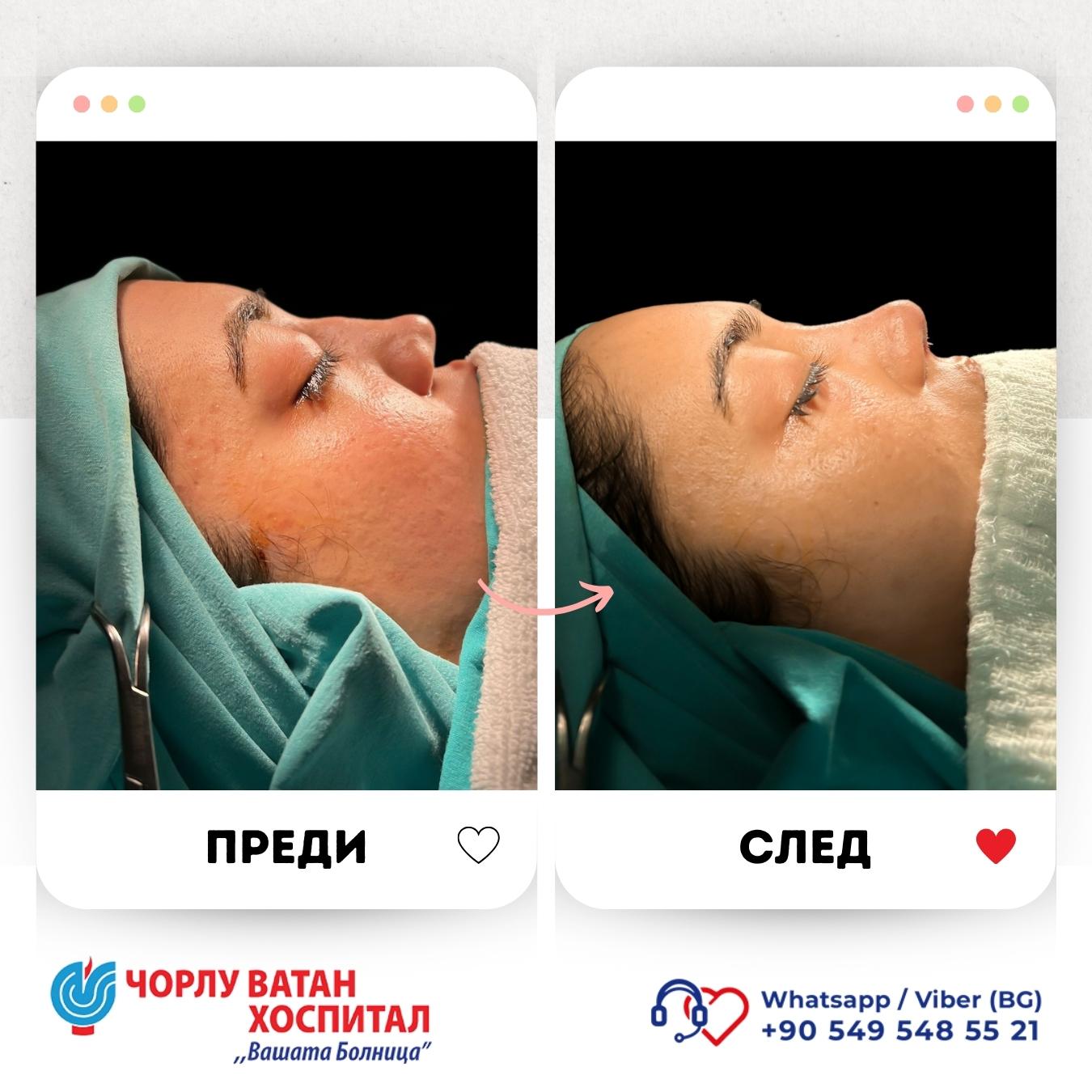
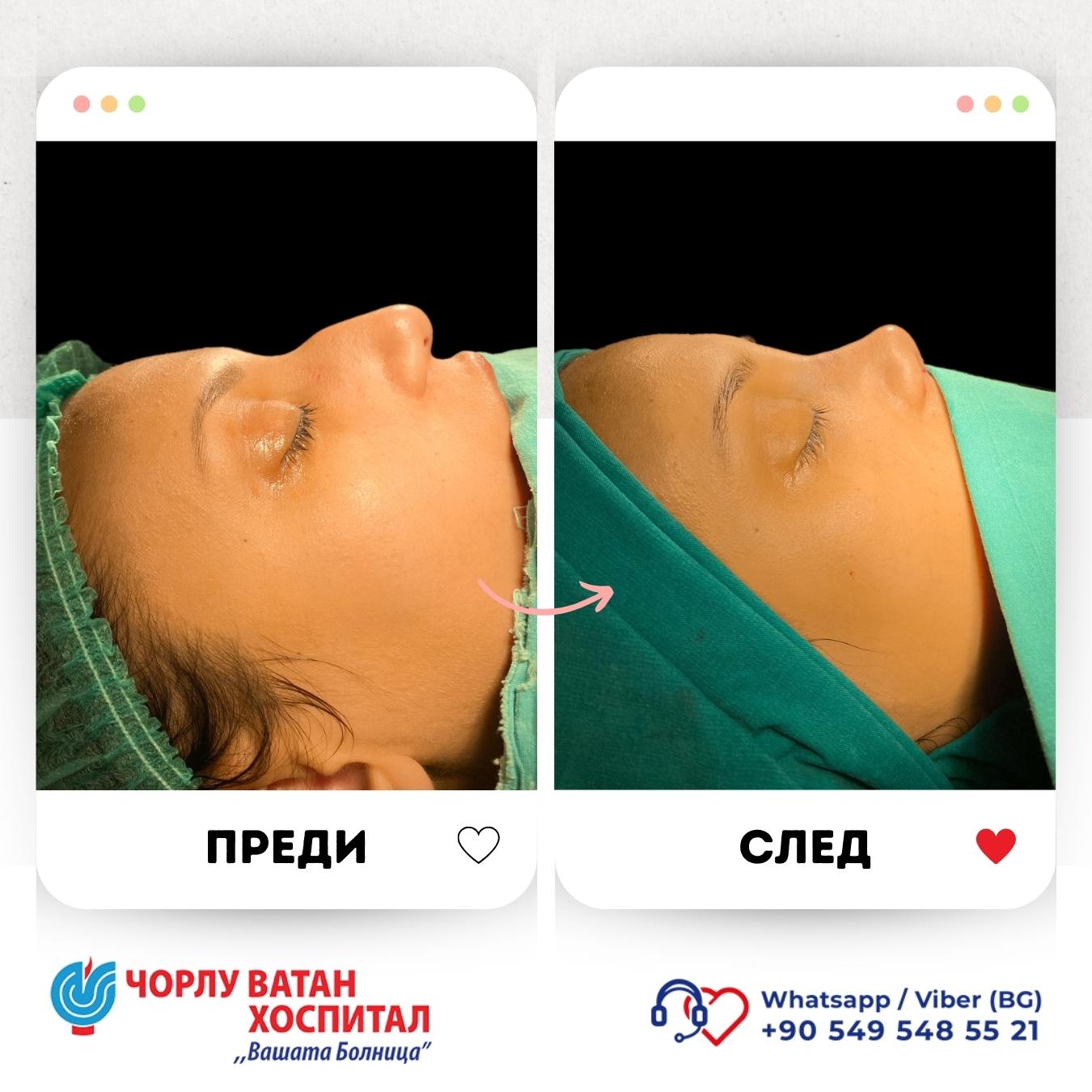
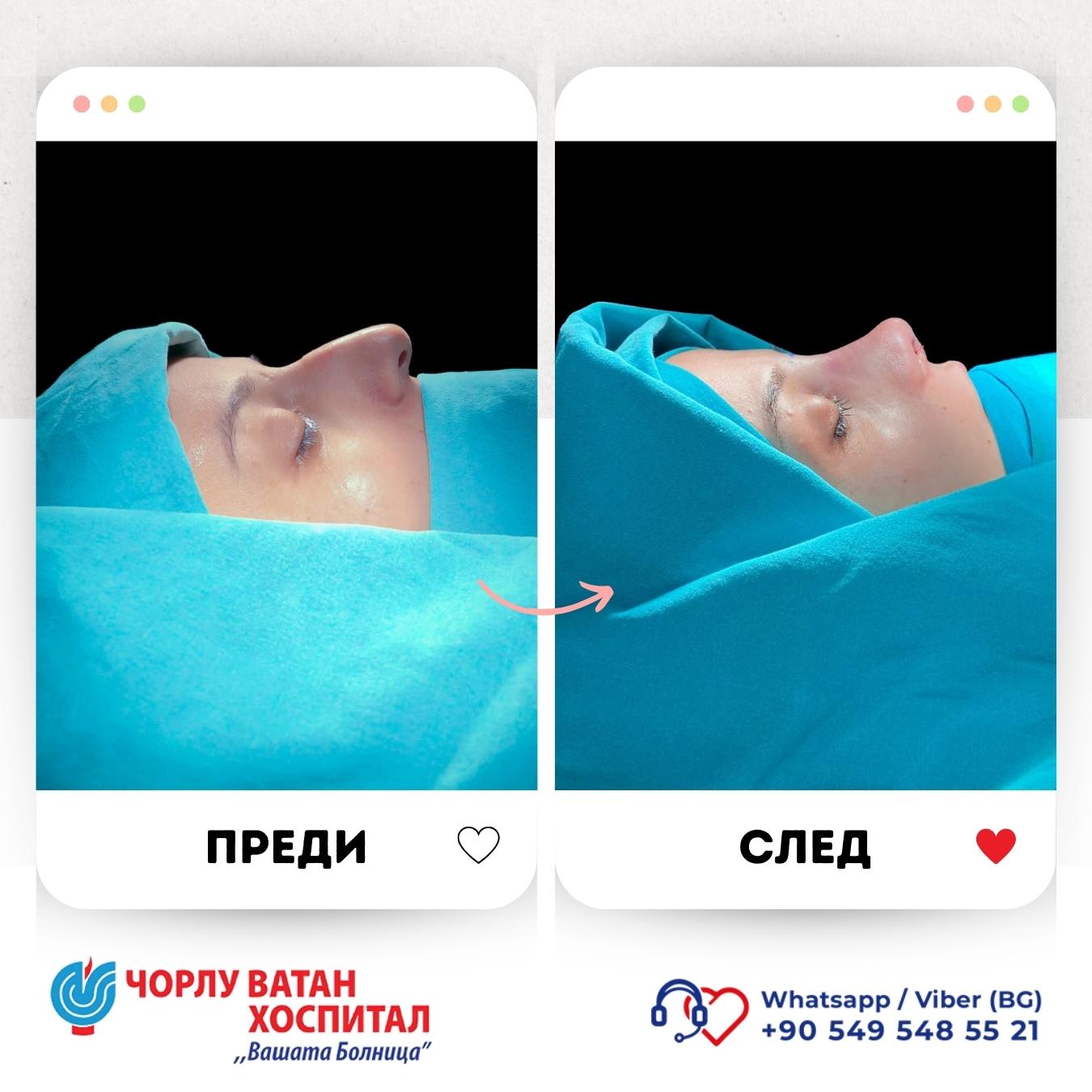
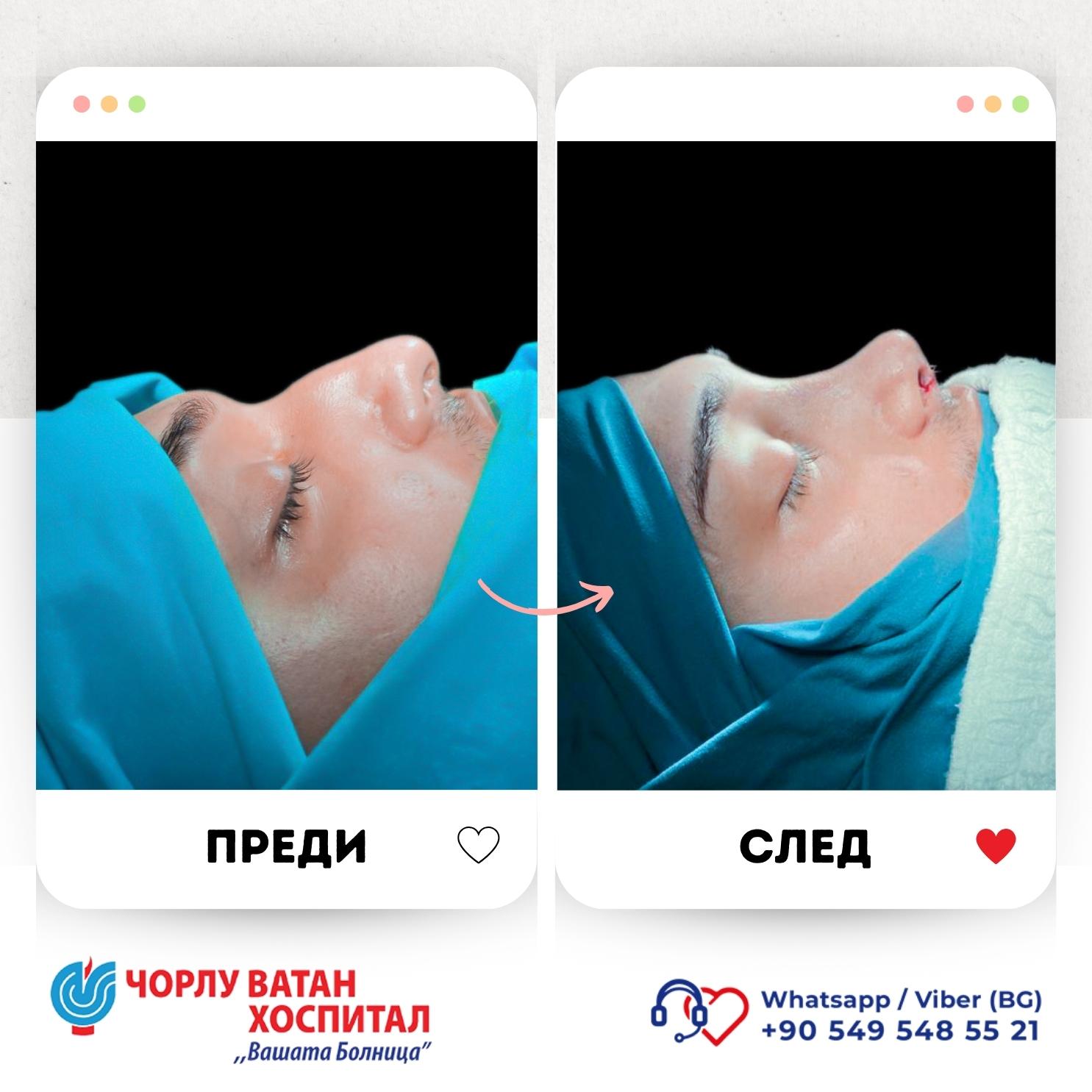
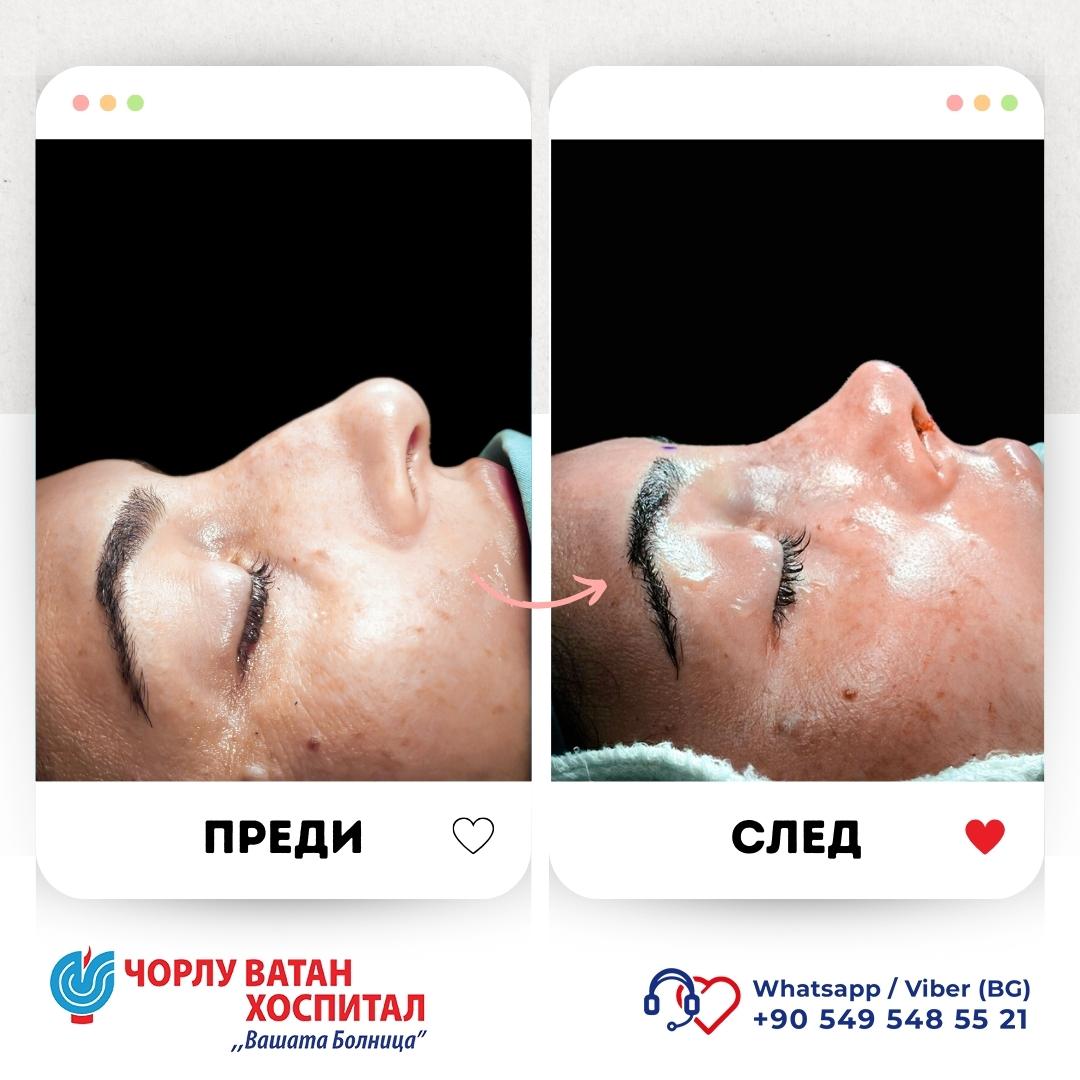
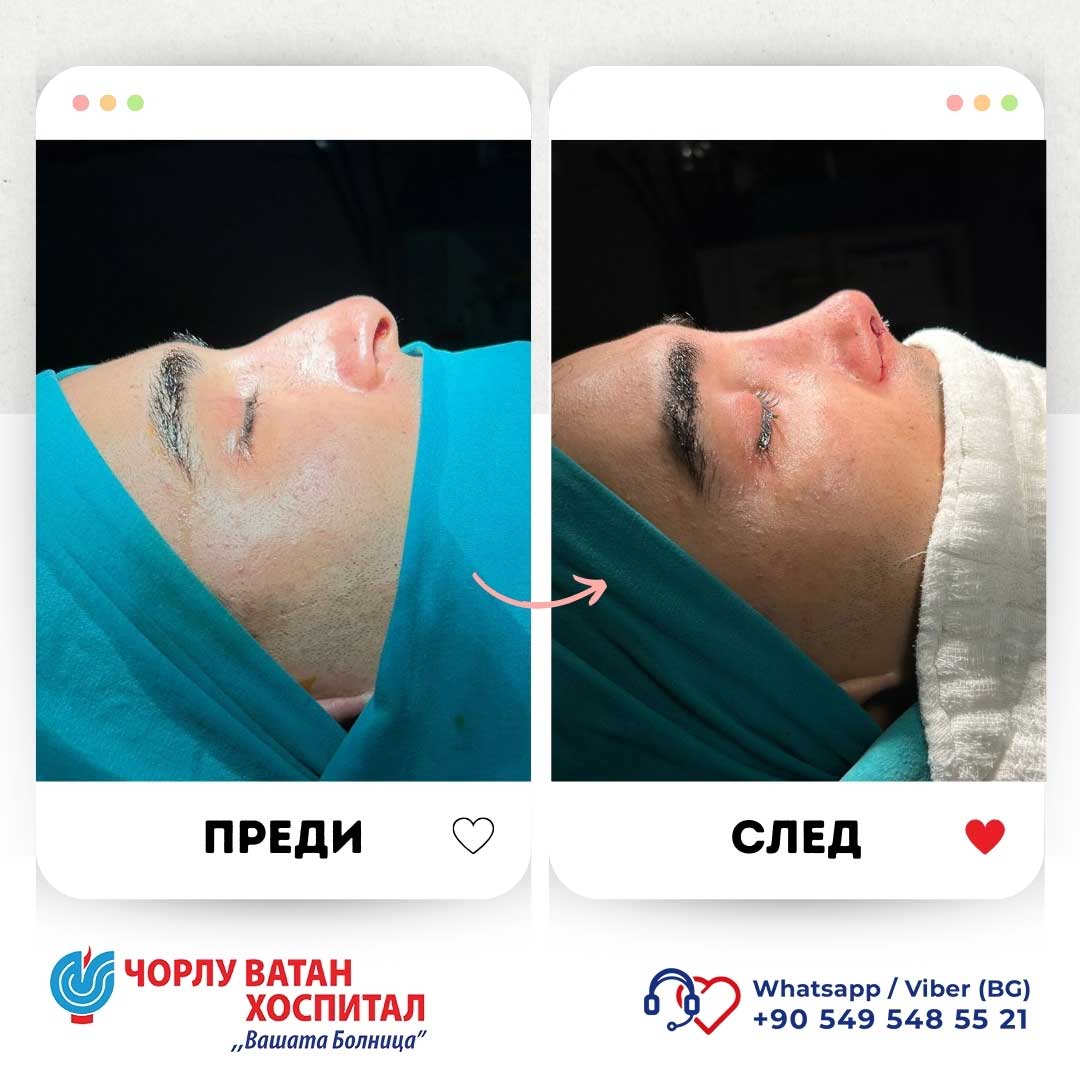
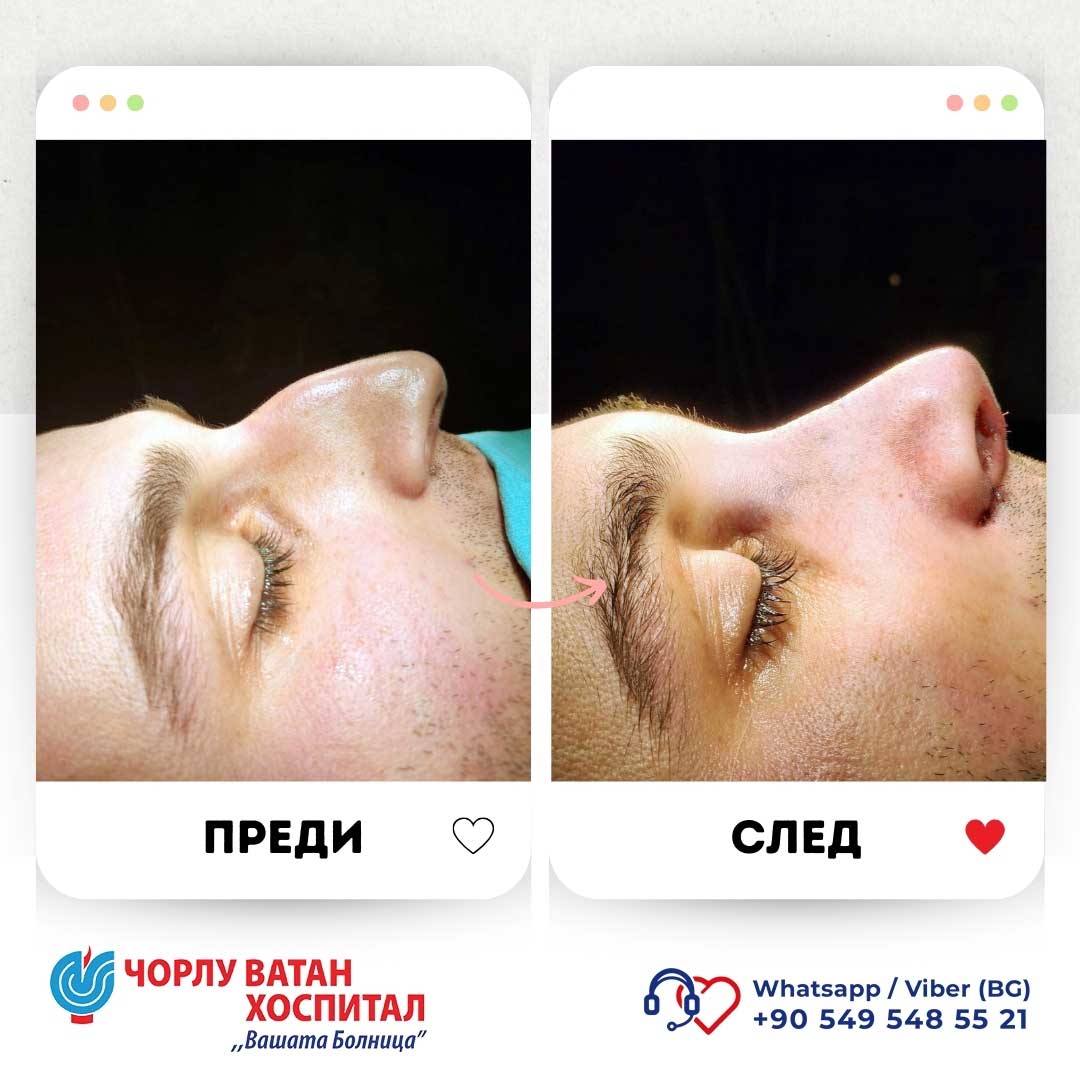
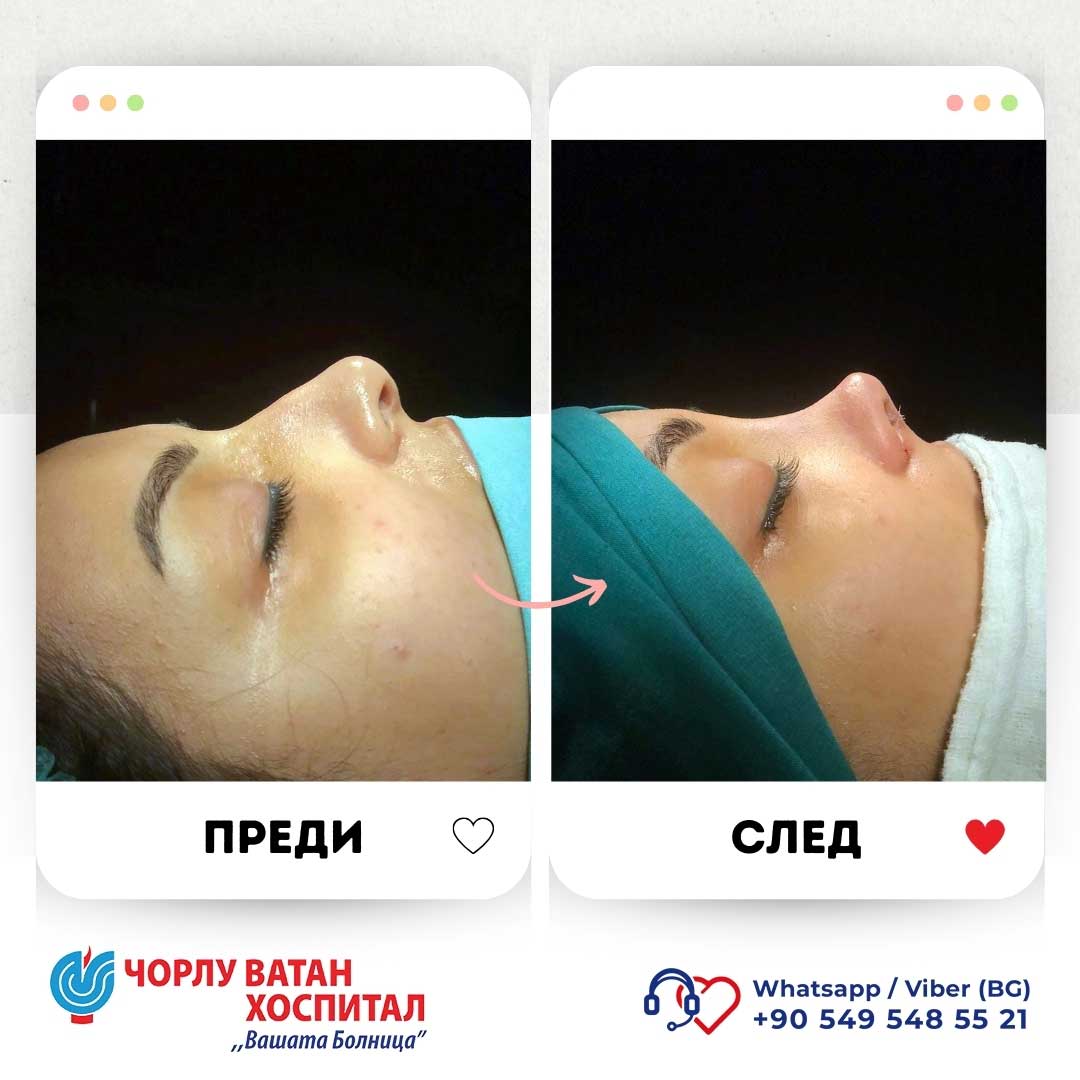
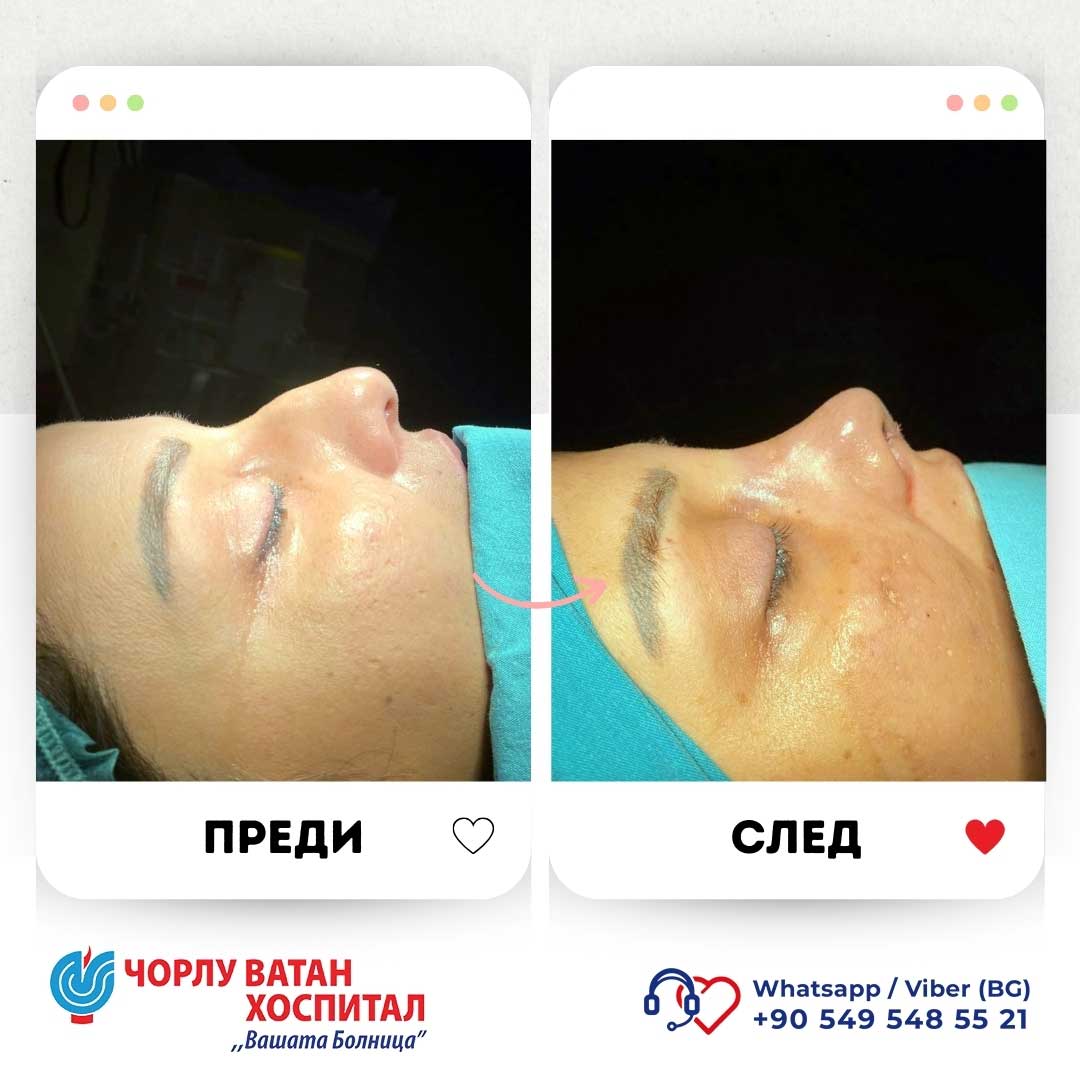
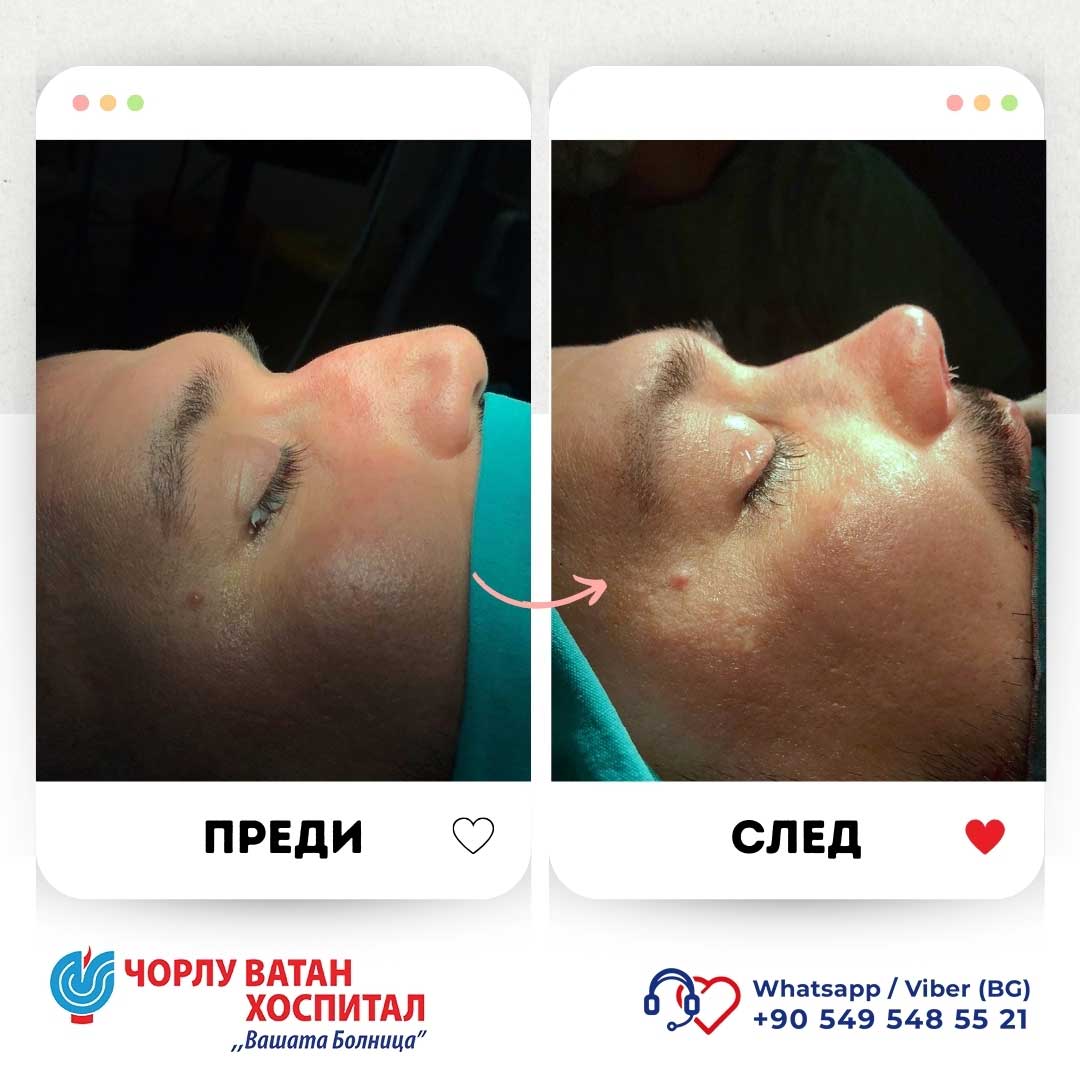
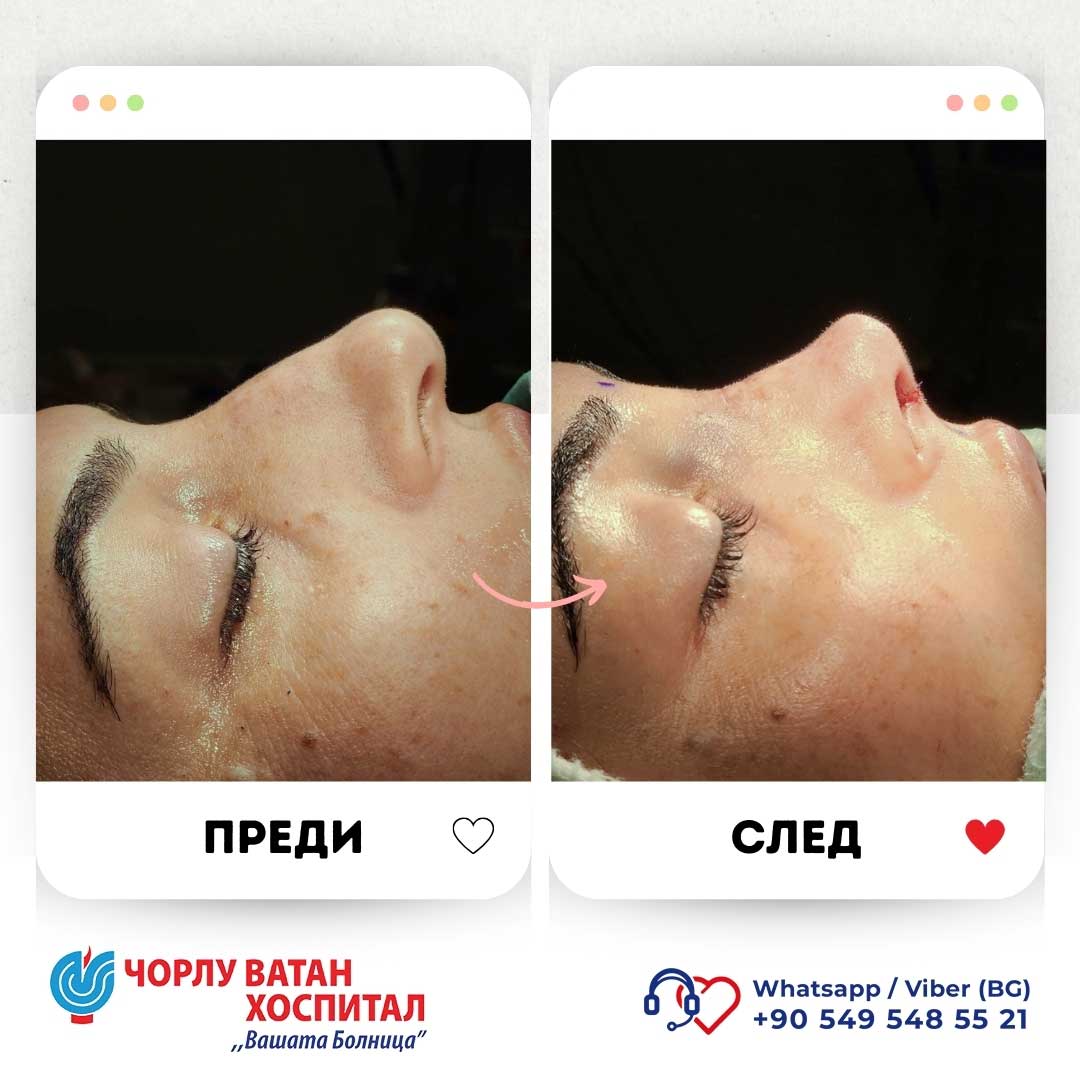
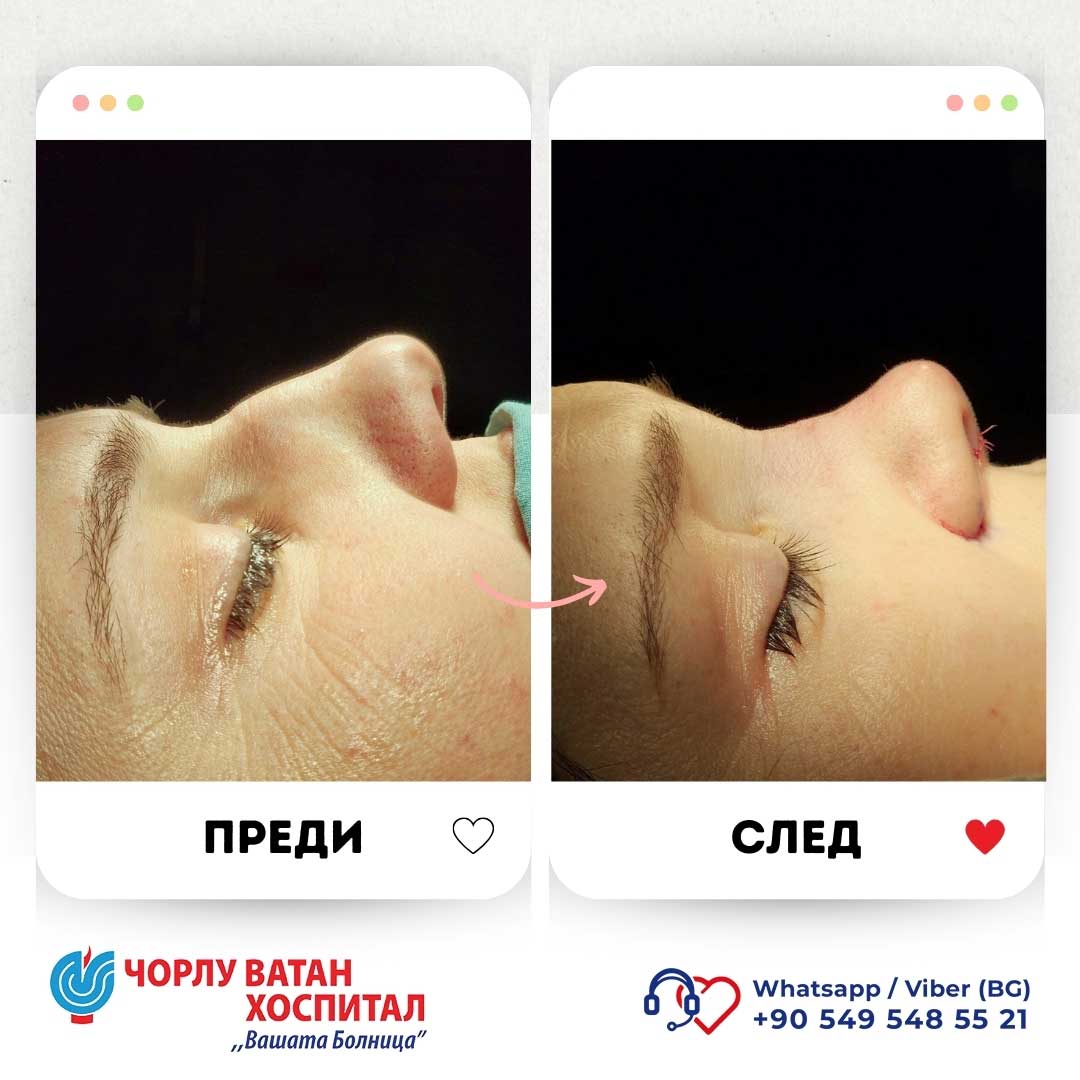
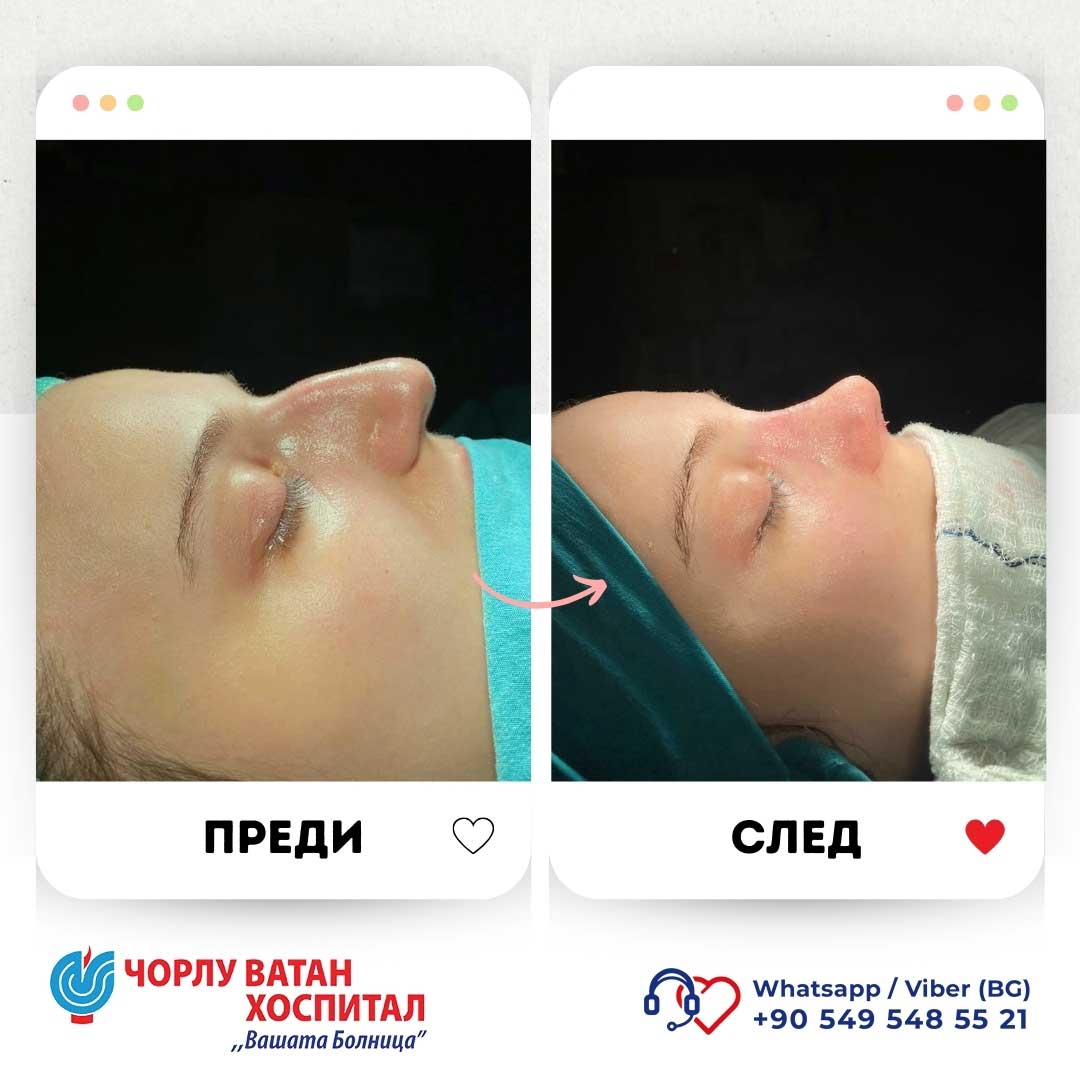
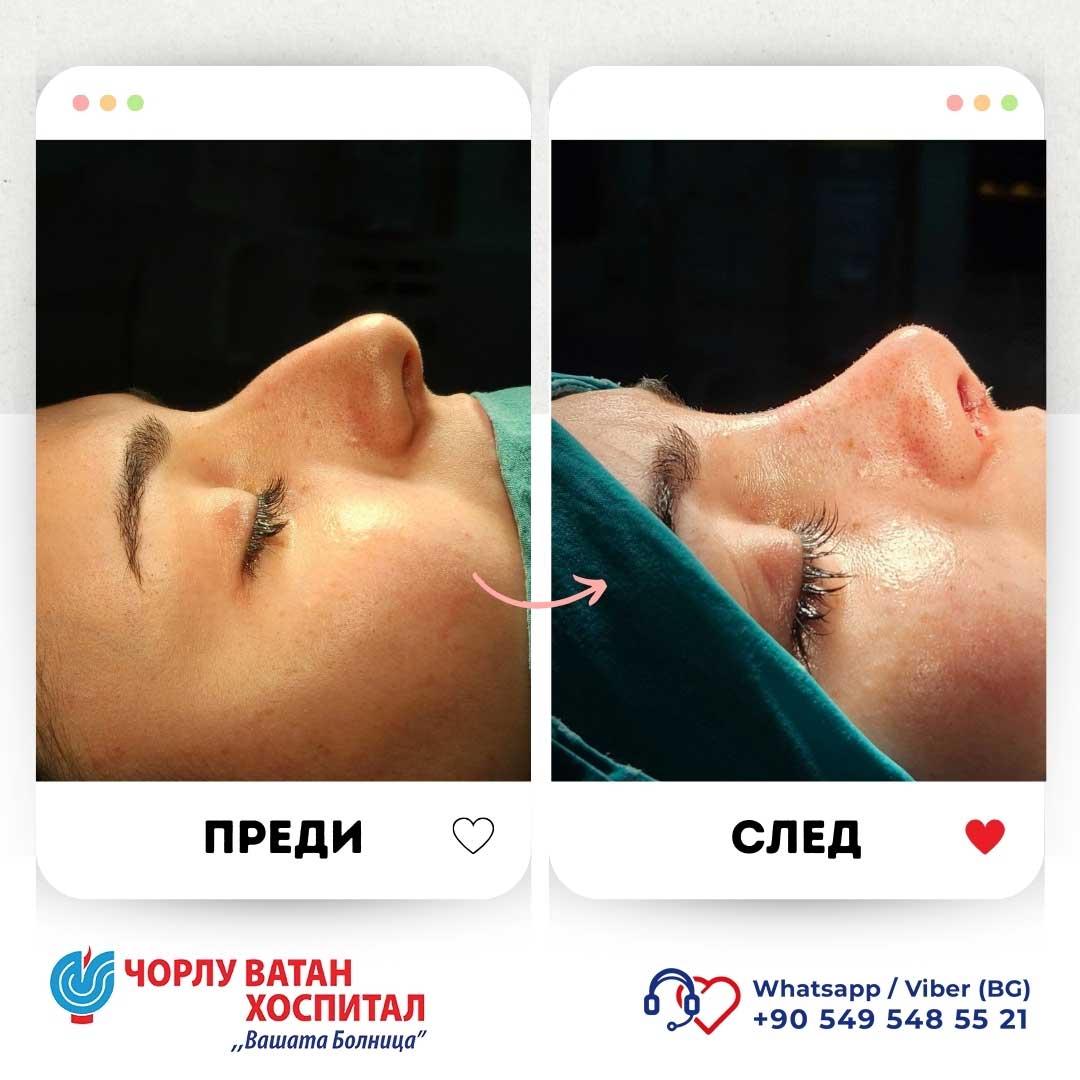
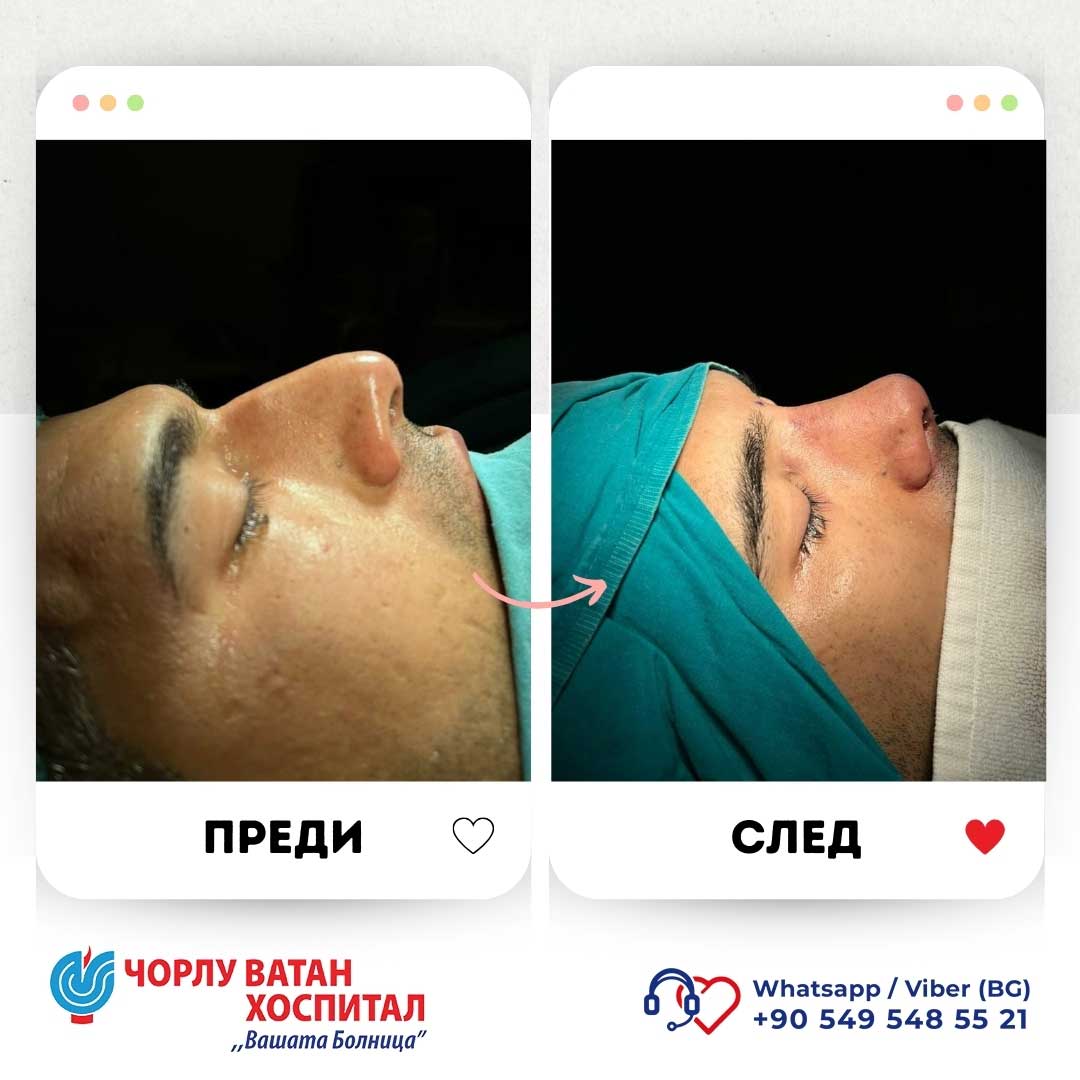
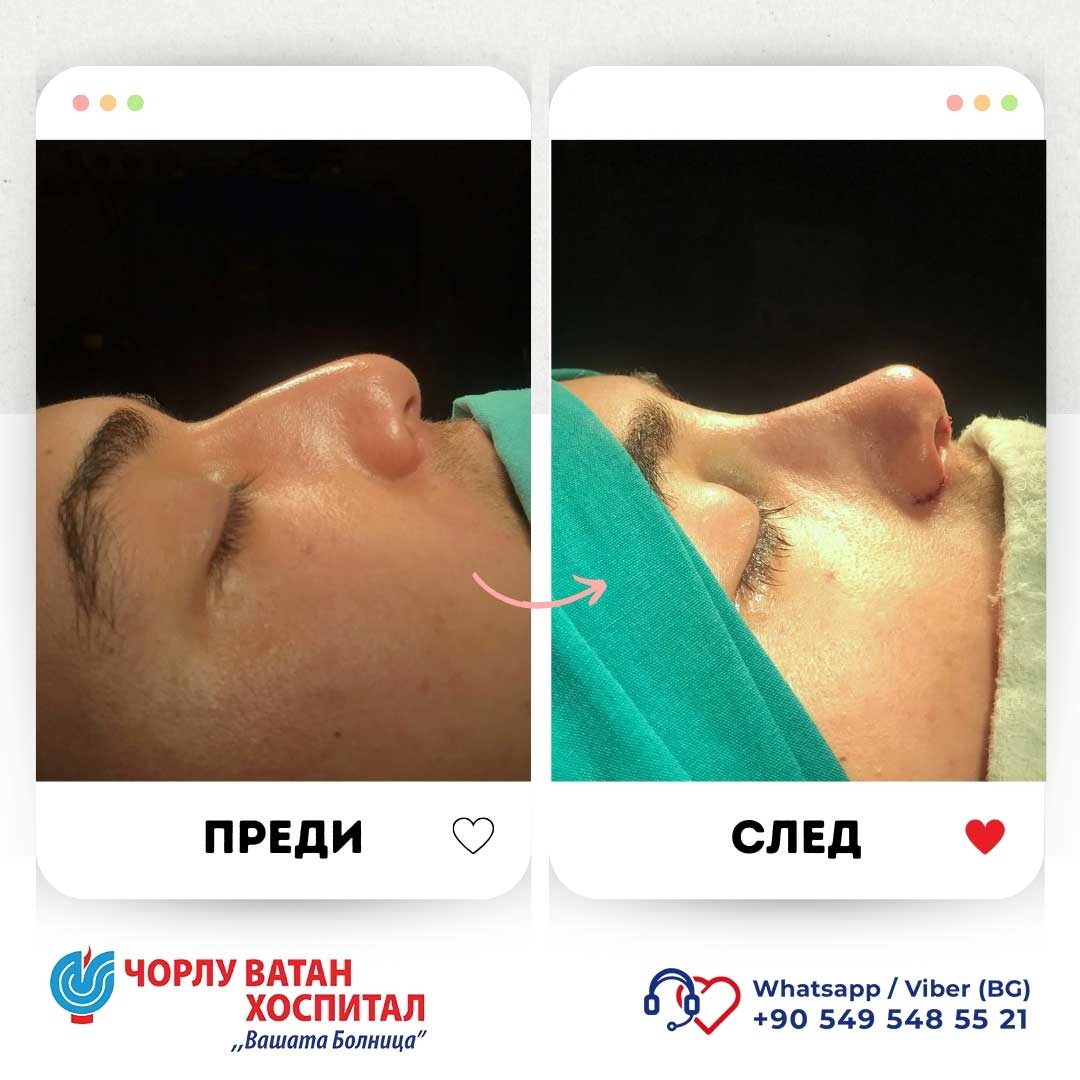
Before and After
About Us

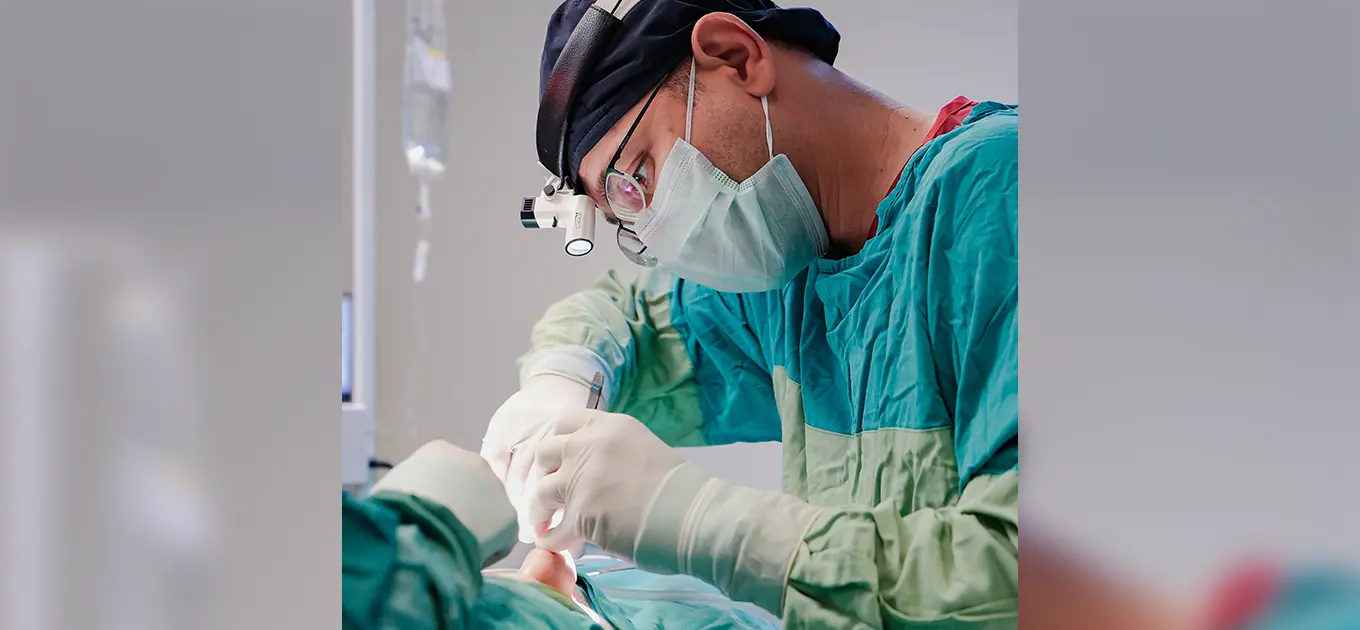
Corlu Vatan Private Hospital has a Rhinoplasty Center where we offer services for both our domestic and international patients. During their visit to our hospital, our international patients will be accompanied by our colleagues who speak their native language, ensuring seamless communication between patients and our specialists. This way, our patients will not face any language barrier difficulties.

Rhinoplasty is one of the most popular and frequently preferred procedures today. In essence, it is a surgery to change or correct the shape of the nose. The goal of rhinoplasty may be to correct certain congenital defects or visual imperfections, as well as to improve nasal breathing. Rhinoplasty applications are related to achieving proportionality between the size of the nose and the proportions of the face, changing the width or profile of the nose, as well as corrections to the tip or nostrils. Depending on the needs of the specific patient, a decision is made on what type of rhinoplasty to choose and how exactly it should be performed.

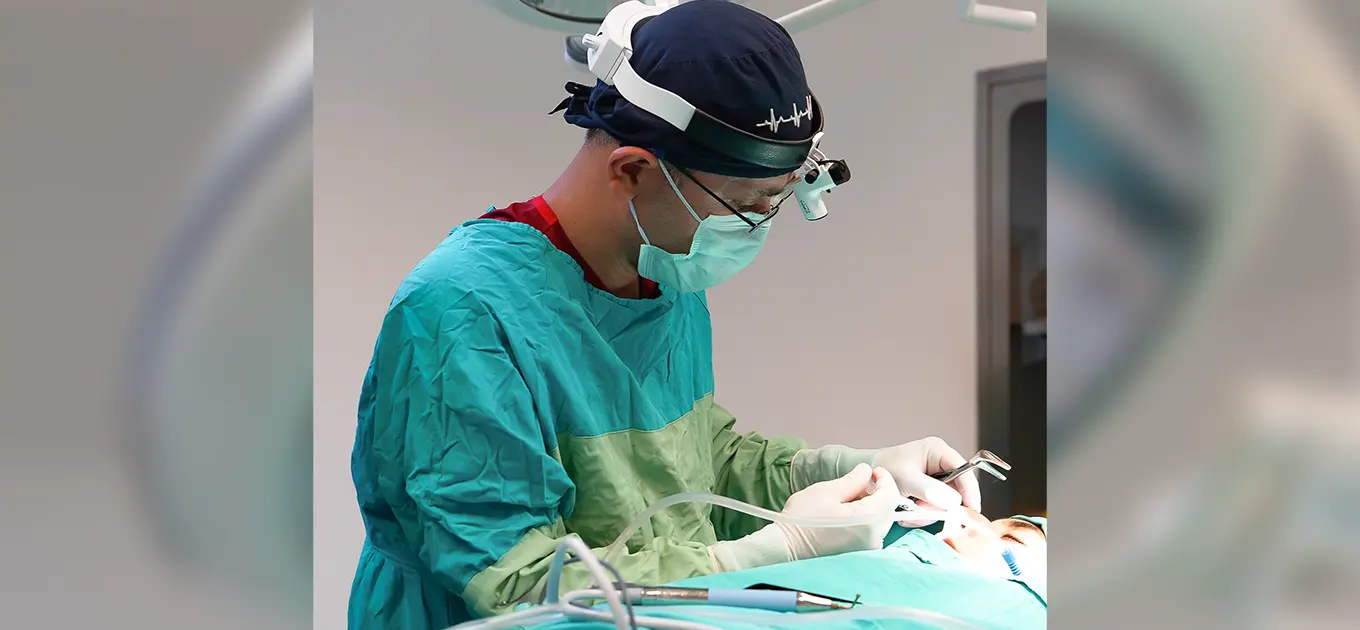
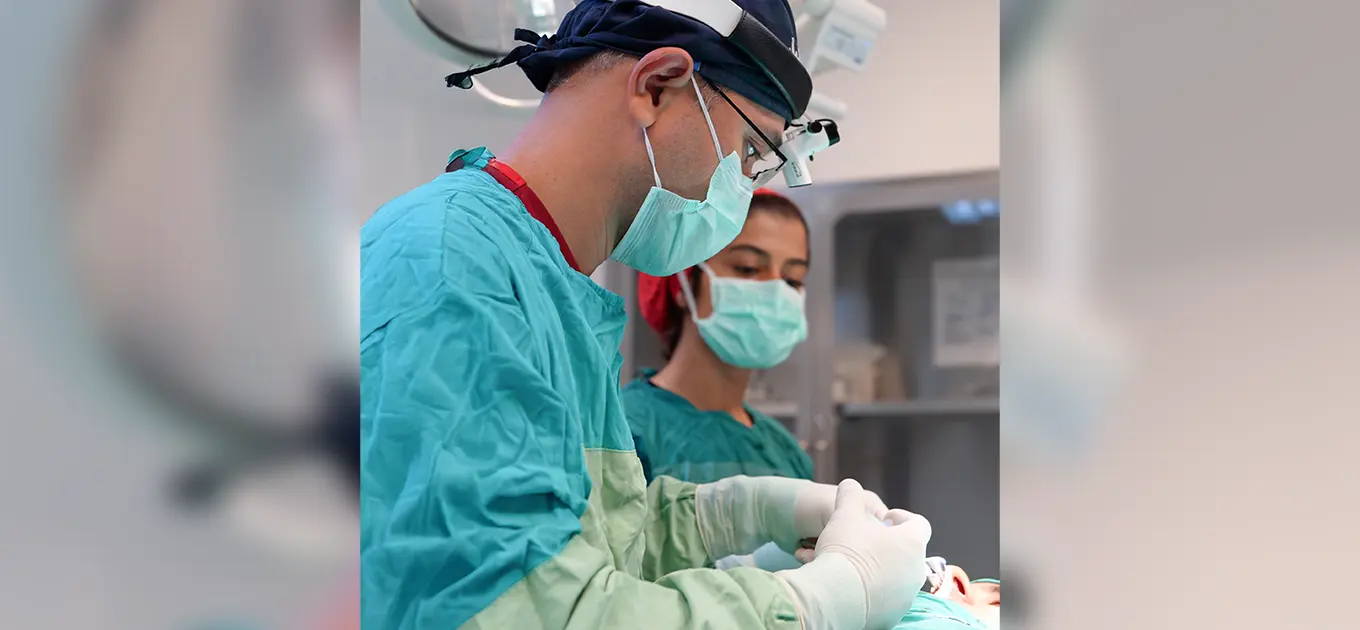
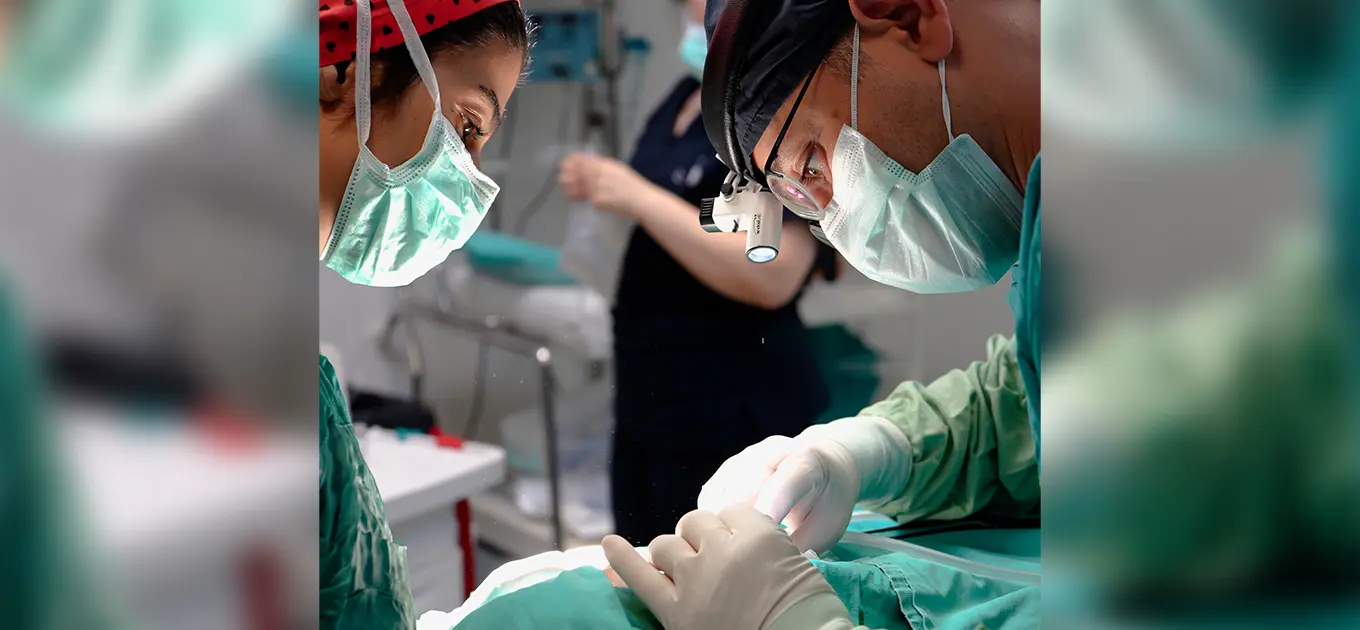
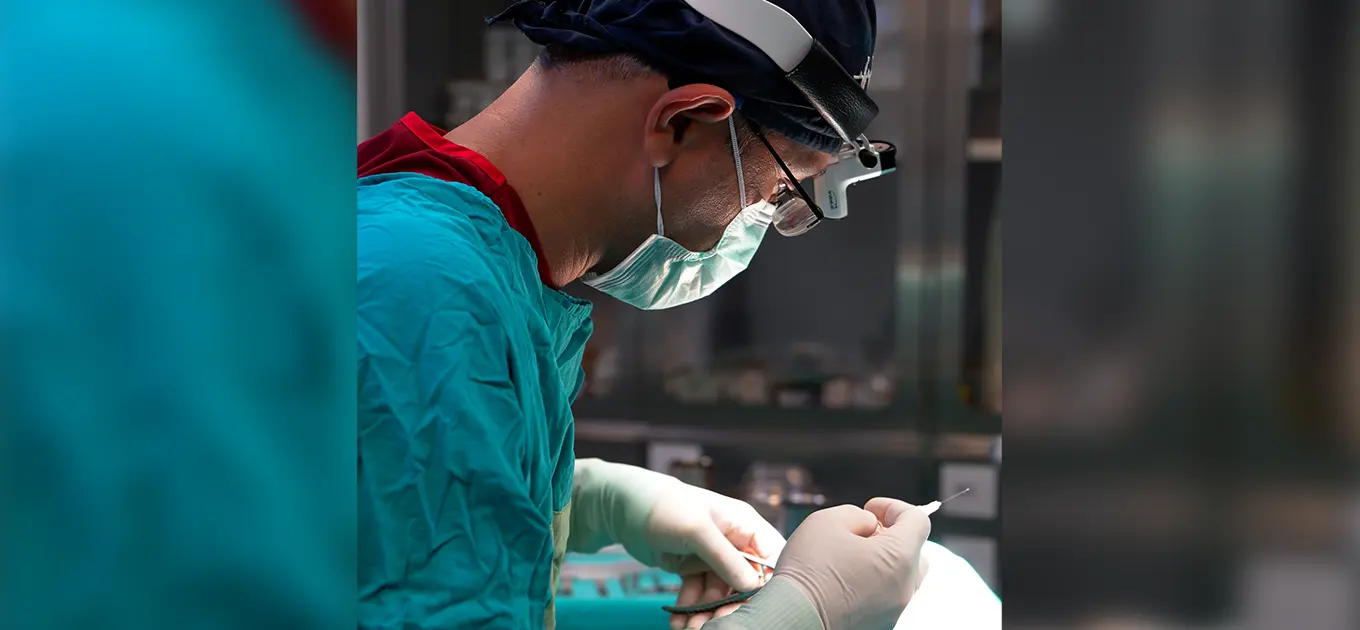
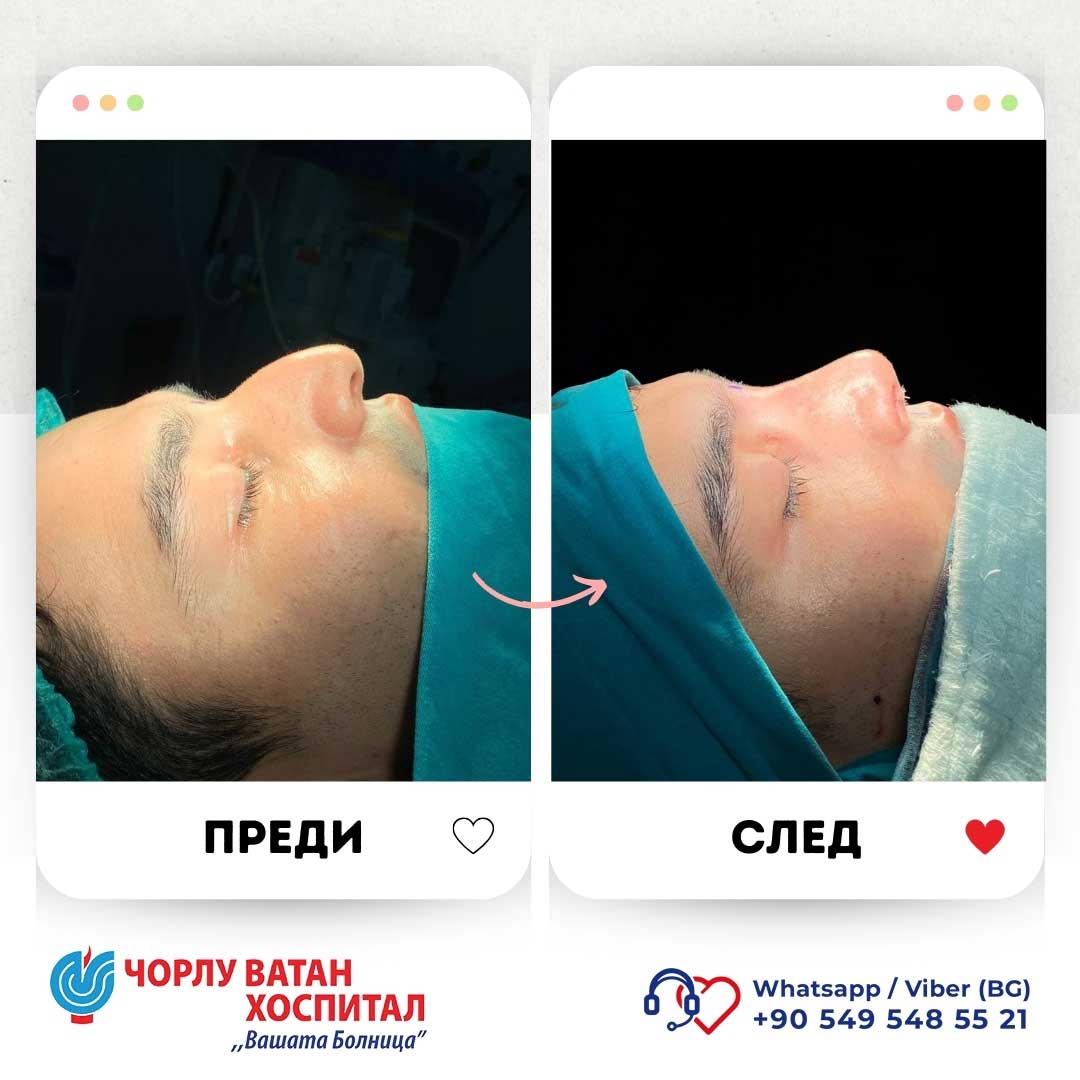
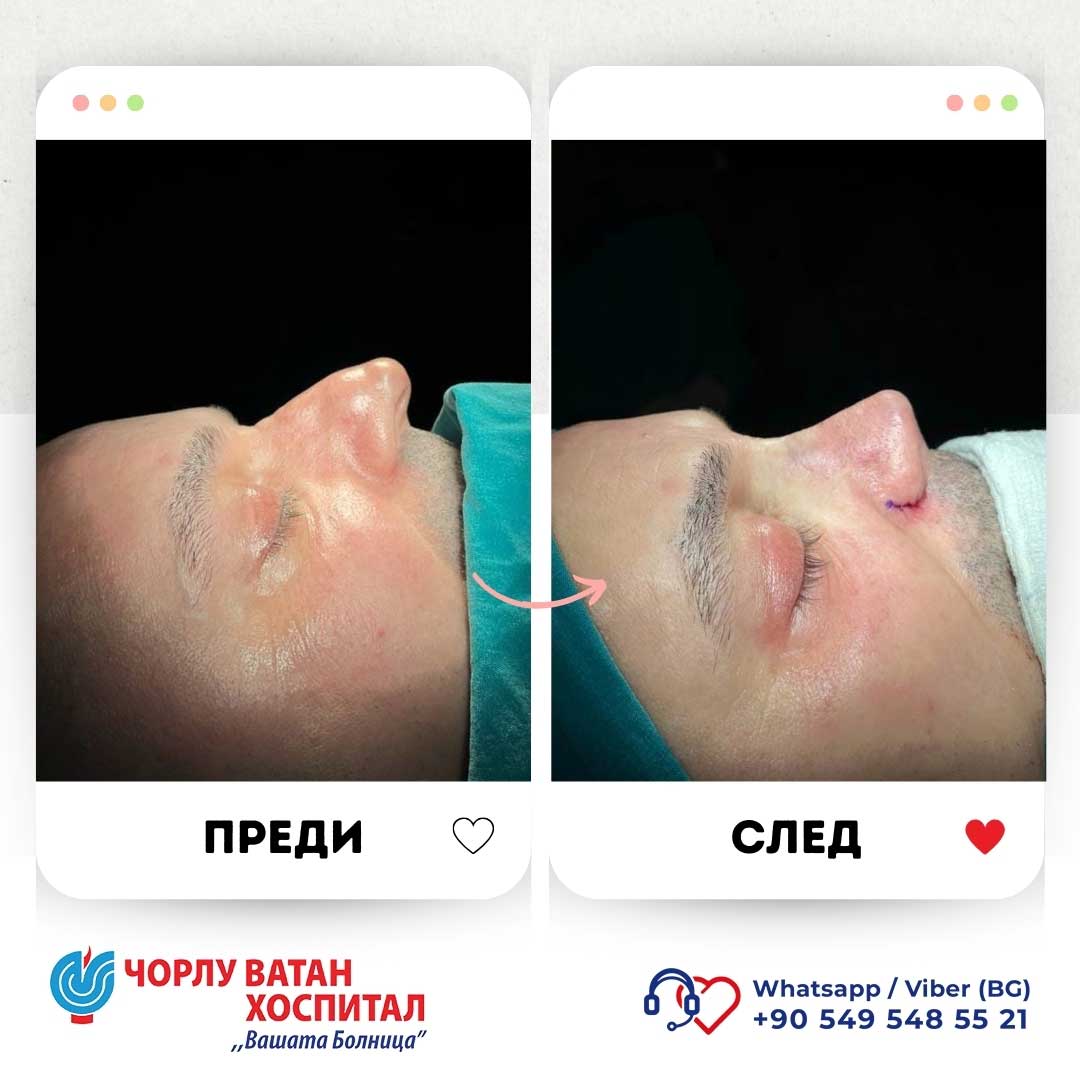
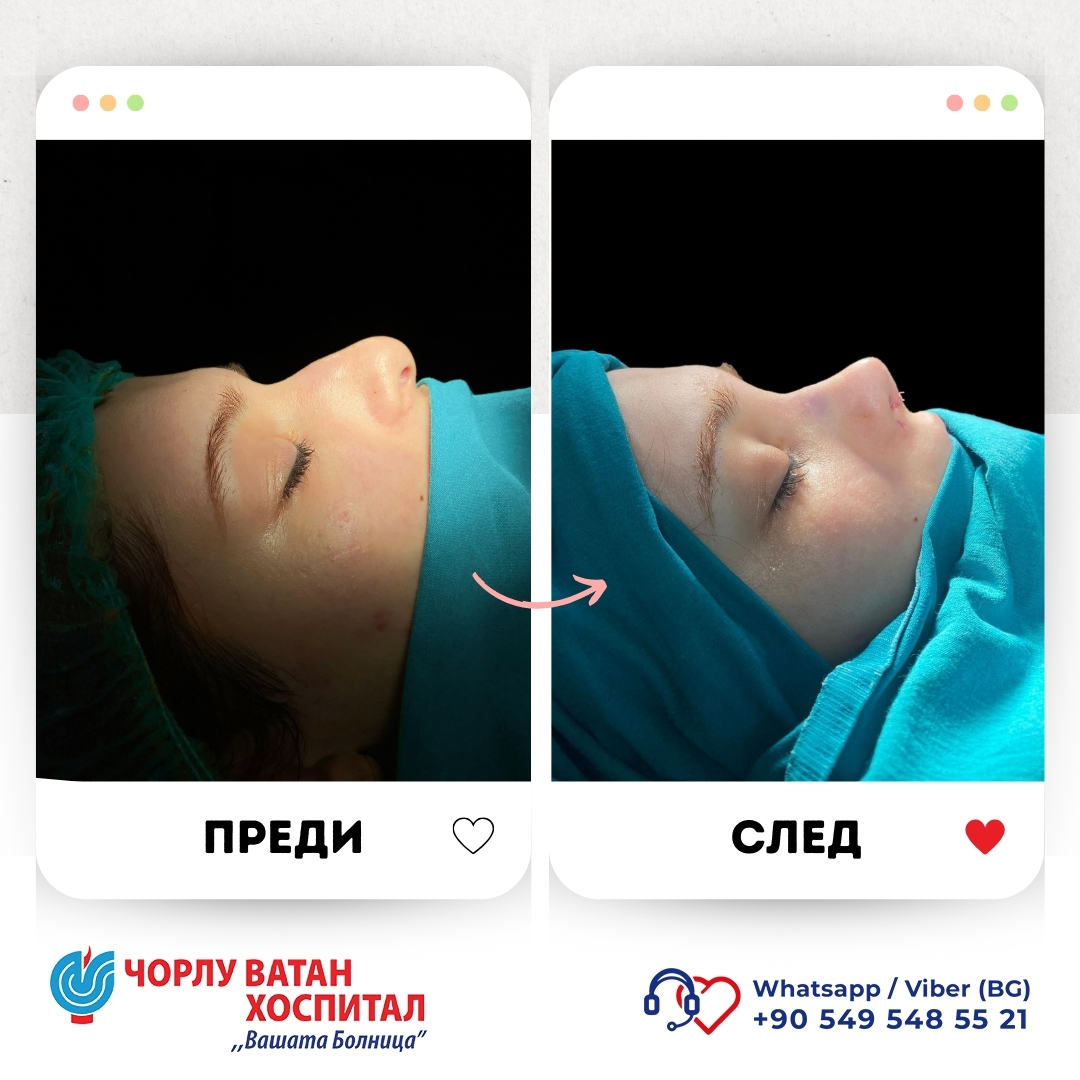
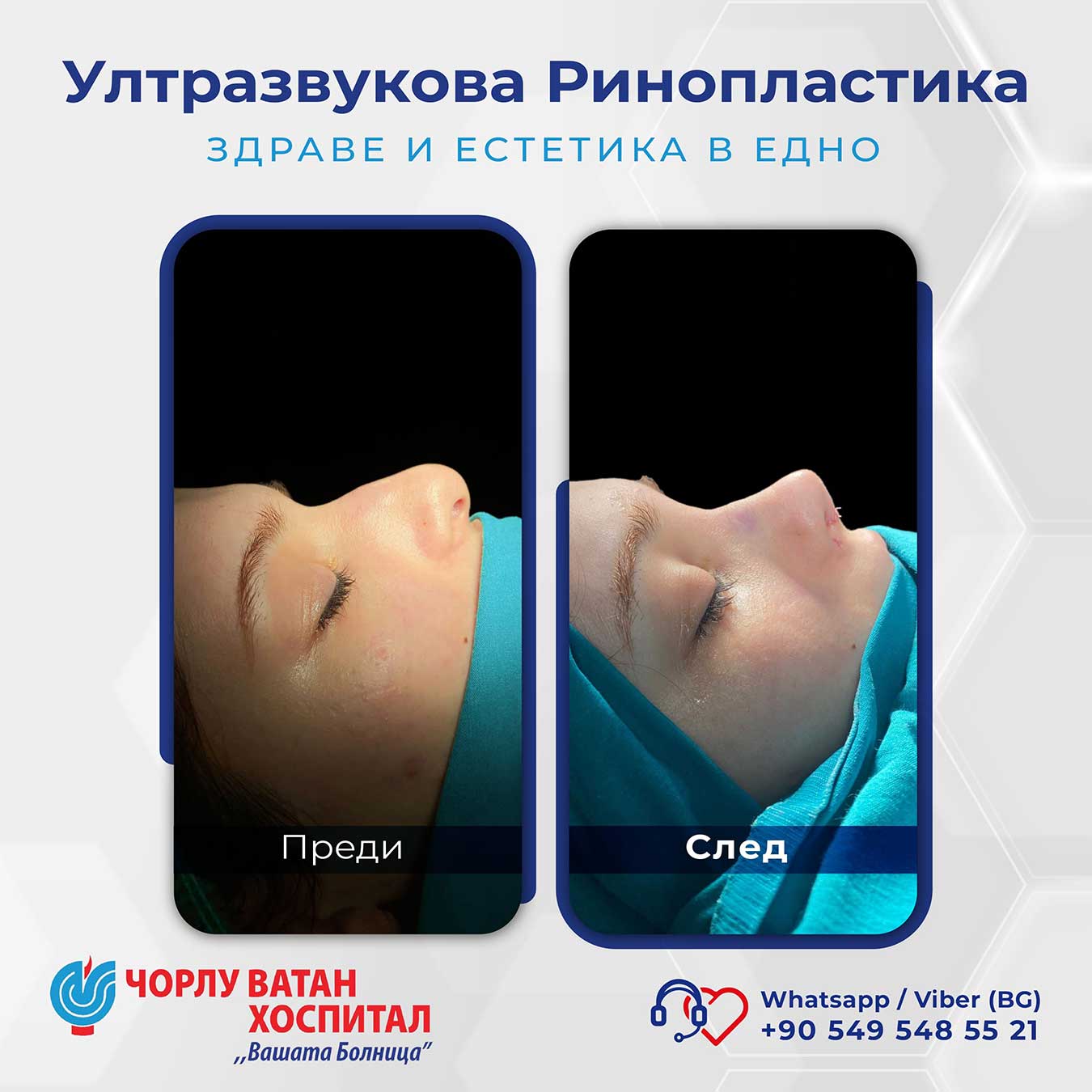
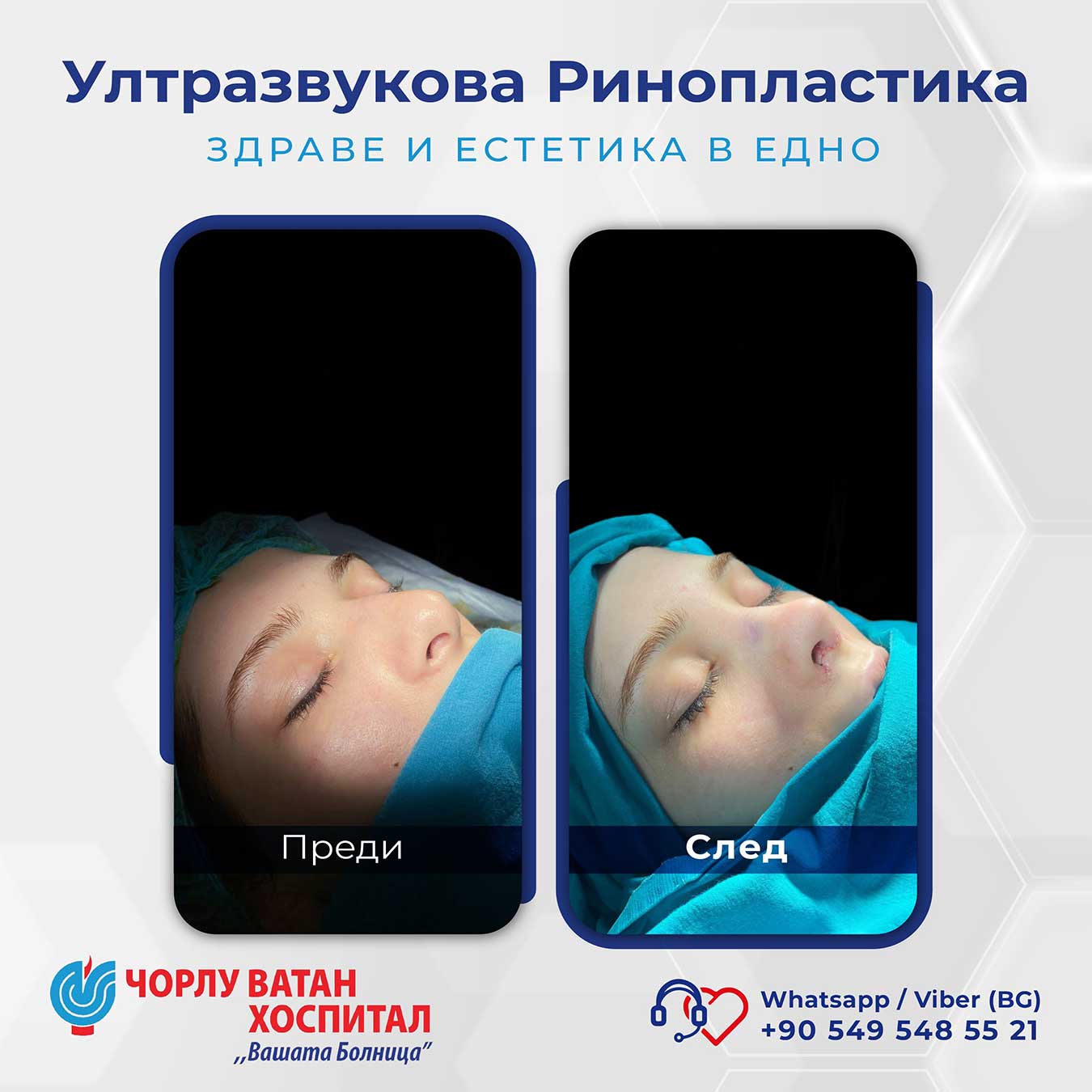
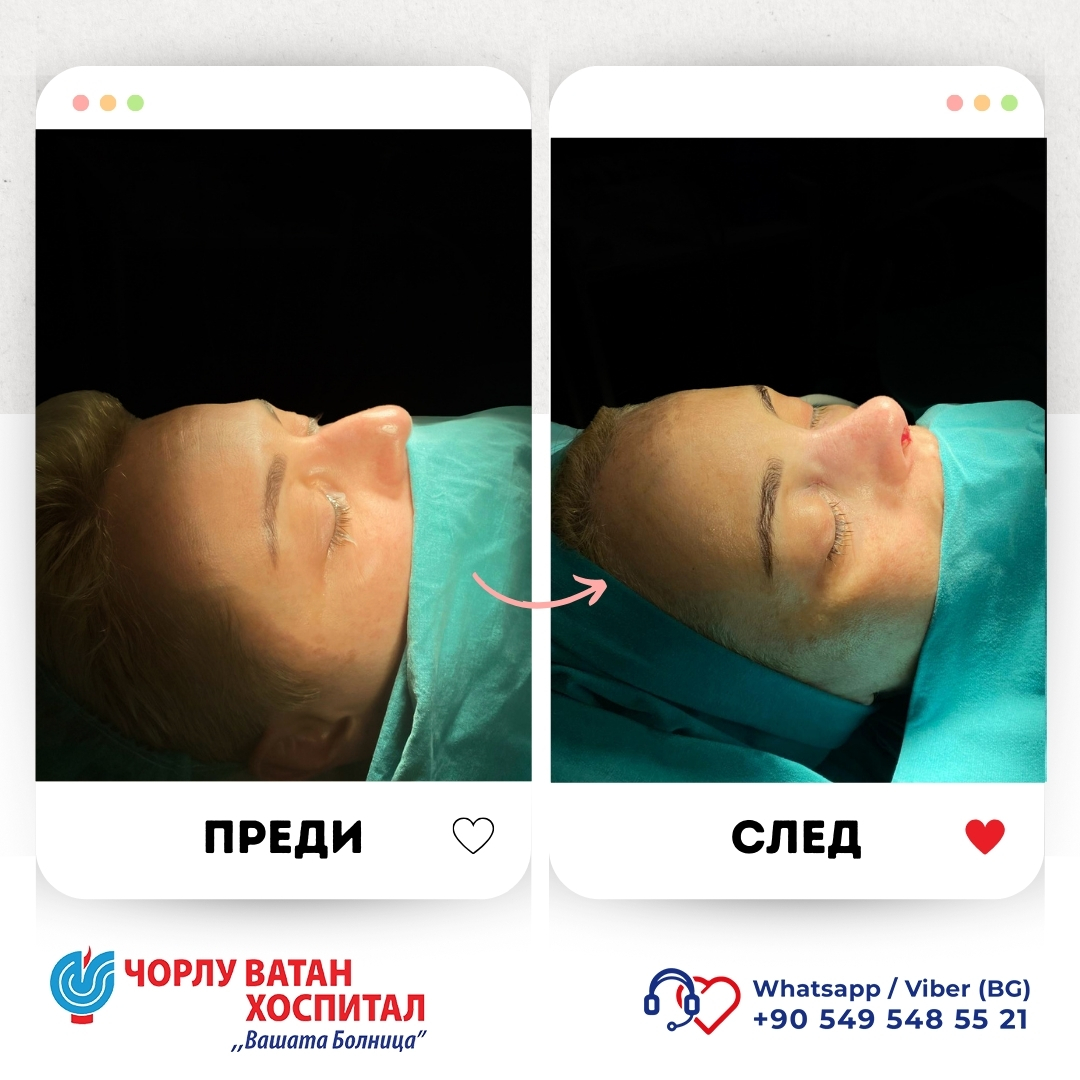
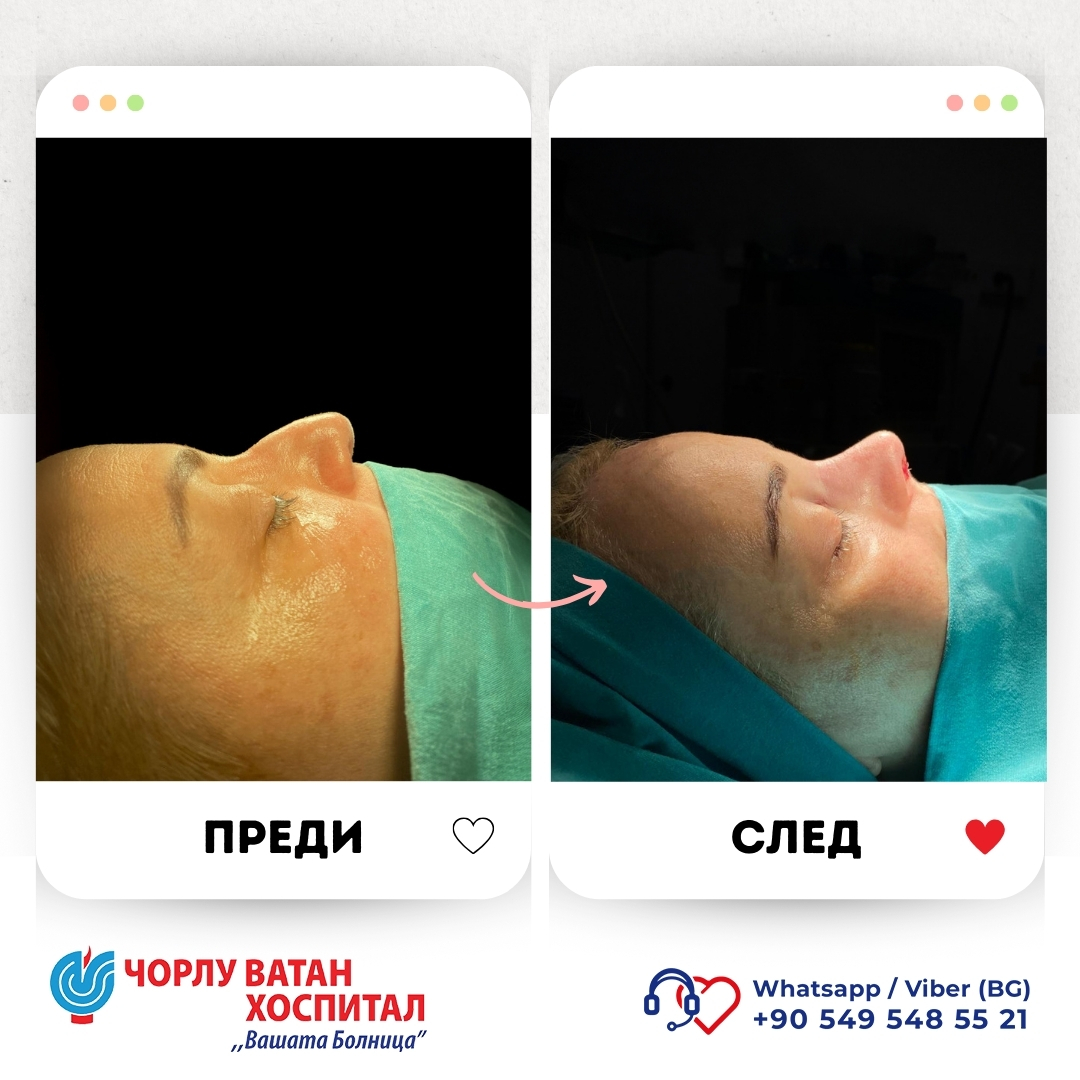
At our hospital, rhinoplasty is performed using the Ultrasonic Method. This is the most advanced rhinoplasty method currently available, and one of its main advantages is that it significantly eases the postoperative period for the patient through modern technology. The formation of postoperative swelling and bruising around the eyes is minimized because, unlike the classical method, Ultrasonic Rhinoplasty does not involve breaking the bone. Instead, equipment that generates effective incisions through micro-vibrations is used. In this way, the specialist finely models the bone and cartilage structures of the nose with exceptional precision. This allows the doctor to perform aesthetic or functional nose correction with perfect control and minimal bleeding.


Frequently Asked Questions
  • What is aesthetic nose surgery, who is it suitable for, and how is the type of intervention determined?

    Aesthetic nose surgery, known as Rhinoplasty, reshapes the bones and cartilage of the nose, giving it a more beautiful, aesthetic form while simultaneously improving its functions. Rhinoplasty can be performed on all individuals who have reached 18 years of age and are dissatisfied with the appearance of their nose and/or have breathing difficulties. There are two methods for performing the procedure - open and closed method.

    The exact type of intervention will be determined after the physical examination, based on agreement between the specialist and the patient.

    Each patient has a different nose structure, bones, cartilage, and skin. For this reason, there are many factors that determine the duration of the surgery. The operation takes approximately 2-4 hours. It is not possible to create the same nose for every patient. From this perspective, it is of essential importance to establish personal contact between the doctor and the patient.

    To achieve the result desired by the patient, the patient's requests and the specialist's recommendations must largely overlap.

  • What is Rhinoplasty?

    Rhinoplasty is a surgical procedure aimed at improving the shape, size, and overall appearance of the nose by performing reconstruction (reshaping) of the nasal cartilage and bones, while also aiming to improve nasal functionality. Corrections can be made in each of the three projections of the nose - height, length, and width. Some of the most common corrections include: removal of the nasal hump, straightening of the nasal septum, nose shortening, nose narrowing, nasal tip reshaping, and nostril narrowing. This procedure can be performed on individuals who have reached 18 years of age and experience breathing difficulties and/or desire a change in the appearance of their nose for aesthetic reasons.

  • What are the main types of Rhinoplasty?

    Depending on how it is performed, rhinoplasty is divided into two main types: open and closed rhinoplasty. Ultrasonic scalpels, the Piezo method, or classical methods can be used for the procedure. In this case, the type of skin, cartilage structure, and bone structure of the nose are important.

    • Closed Rhinoplasty – in closed rhinoplasty, the necessary corrections are performed through incisions inside the nose, on the mucous membrane. This is actually the main advantage of this type of rhinoplasty. The cartilage and bone are separated from the skin, after which, depending on the case, parts of the bone and cartilage may be removed, reshaped, augmented (through grafting), or restructured to achieve the desired new shape. Working through internal incisions guarantees the patient that absolutely no external scars will remain on the nose or face. Absorbable sutures are used. The closed method is less traumatic to the nose than the open method and recovery is faster.
    • Open Rhinoplasty – on the other hand, open rhinoplasty involves making small incisions in the lower part of the columella (this is the lowest part of the nasal septum, located between the two nostrils). The skin and soft tissues are lifted from the underlying nasal structure, after which the necessary corrections are made to the nose. This type of rhinoplasty is usually chosen when there are some problems or difficulties with performing a normal closed rhinoplasty. Advantages of open rhinoplasty include greater visibility for the specialist, as well as the ability to perform significantly more complex changes and corrections to the shape of the nose. With this method, a small scar remains and the recovery period is longer.
  • What is Septorhinoplasty?

    Septoplasty is a surgical procedure in which defects and deviations of the nasal septum, called the septum, which divides the left and right nostrils, are corrected - in other words, this intervention involves correction only of the internal cartilaginous tissues of the nose. Deviation of the nasal septum is very common. When the deviation is severe, the septum can block one of the nostrils and obstruct the airflow passing through it, causing difficulty breathing in one or both nostrils. It is precisely in these cases that the Septoplasty procedure is appropriate. Rhinoplasty is a procedure aimed at reconstructing the bones and cartilage of the nose that form the external part of the nose and give it its aesthetic appearance. In Septorhinoplasty, simultaneous correction of the external and internal cartilaginous and bony structures of the nose is performed. The expected result of this intervention is an aesthetically beautiful and simultaneously fully functional nose.

  • What is Revision Rhinoplasty? When is it performed?

    Generally speaking, revision rhinoplasty is surgery to correct a previous nose operation. If for some reason after the first surgery there is nasal deviation, nasal collapse, or the patient wants additional changes to the aesthetic appearance of the nose, then revision Rhinoplasty is performed. There must be a minimum one-year period between the first and secondary (revision) Rhinoplasty. When a patient undergoes Rhinoplasty for the first time, also called Primary Rhinoplasty, during the procedure the skin of the nose is first lifted, for which purpose minimal incisions are made in the nerve endings in this area and the blood vessels supplying the skin. As a result, swelling, bleeding, and numbness may occur in the early postoperative period. These blood vessels and nerve endings that nourish the skin regenerate (recover) during the first year of the postoperative period. I should also note here that the healing of the minimal skin incisions and corrections to the cartilaginous and bony parts of the nose takes some time. Making a hasty decision for Revision Rhinoplasty carries numerous risks regarding the skin's recovery period. Therefore, for performing revision Rhinoplasty, the most appropriate approach would be to wait at least one year after the first intervention. The patient should be informed that during Revision Rhinoplasty, there may be a need for transplantation of cartilage tissue taken from the patient's rib.

  • What is the difference between Classical Rhinoplasty and Ultrasonic Rhinoplasty?

    In classical Rhinoplasty, a surgical chisel is used as the standard method for reconstructing nasal structures. Unlike the classical procedure, in ultrasonic Rhinoplasty, a technology called "Piezo" is used to reshape the nasal bones. This technology detects the difference between bones and soft tissues and works with exceptional precision only on hard surfaces (bones) without damaging soft tissues, blood vessels, nerve endings, and mucous membranes. Often in the postoperative period of classical Rhinoplasty, due to the technique and instruments used, undesirable consequences such as pain, swelling, and bruising are observed. In ultrasonic Rhinoplasty, due to the precision of the "Piezo" method, these symptoms are minimized.

  • Chisel or Piezo?

    In past years, when technological innovations were not yet being used in nose surgeries, our patients had concerns in 3 main areas. We specialists in this field perform nose surgeries daily, but most of our patients have no prior experience, do not know what awaits them before and after surgery, and our goal is to explain to them that there is nothing frightening about this type of surgery. I recommend patients who want to undergo the procedure but are afraid of it to come for a consultation at our office so we can speak in person - every stage of the surgery and postoperative recovery will be explained to them in detail. The closer and stronger the relationship between the doctor and the patient, the smoother the procedure itself goes.

  • What are the 3 most common concerns of our patients? What are the most frequently asked questions...
    • Will it hurt a lot after my bones are broken with a chisel?
    • Will there be a lot of bleeding, will I get bruised, will I swell up?
    • What if it gets worse?

    As I mentioned earlier, due to unpleasant experiences from techniques used in the past, expressions such as "The surgery is very painful, you will swell up so much that your eyes will close, removing the tampons from the nose hurts more than labor pain" and many others cause fear and doubt in anxious patients. Nowadays, thanks to constantly evolving technology and innovative methods applied in the field of medicine, aesthetic nose surgery has been greatly simplified. Thanks to the simultaneously developed "Piezo" technique - that is, ultrasonic bone cutting and filing - fears regarding Rhinoplasty have been largely overcome. The severe swelling, bruising, and pain caused by uncontrolled bone breaking with a chisel have been reduced to a minimum. Possible dangers such as collapse and tension in the bones have been eliminated. "Piezo" allows easy shaping of nasal bones through ultrasonic cutting or filing of bones in a thin line, with precision like a glass cutter cutting glass. As a result, the patient feels more comfortable after surgery. With the application of "Piezo" surgery by our team at the ENT clinic at Corlu Vatan Private Hospital, the number of satisfied patients has increased. In fact, a large number of our patients say, "I wish I had undergone the surgery earlier! There was nothing to be afraid of!"

    Since the bones are cut and shaped in a controlled manner with exceptional precision, without being broken, bruising, swelling, and bleeding are minimized. Postoperative pain is similar to that of other surgeries and can be controlled with medication.

  • How is the Rhinoplasty procedure performed?

    The Rhinoplasty procedure is performed under general anesthesia, with an average duration ranging from 2 to 4 hours. Currently, there are two approaches applied in this procedure: open and closed method. Not every patient can have the same method applied - everything is strictly individual and varies depending on the case. Patients who wish to undergo Rhinoplasty should also be informed that in the future there may be a need for Revision Rhinoplasty. The results achieved from the surgery are formed depending on multiple factors, some of which include: the thickness and type of the patient's nasal skin, the presence of additional conditions, the way the skin heals, and how the swelling subsides in the postoperative period. There is no way to guarantee 100% complete symmetry after Rhinoplasty; there may be minimal differences. In the early postoperative period, there may be mild pain, bruising, and swelling. Under standard conditions, we discharge our patient the day after the procedure and invite them to visit us one week later for a follow-up examination.

  • How does the recovery process go? What treatment is applied in the postoperative period?

    Toward the end of the Rhinoplasty procedure, special silicone splints are placed inside the patient's nose, which allow the patient to breathe through the nose from the early postoperative period, and the patient's nose is fixed with a special splint and adhesive strips. After the surgery is completed, the patient is prescribed the necessary treatment and cold compresses on the upper facial area are recommended for the following two days to minimize the formation of swelling and bruising. The compress is applied for 15 minutes every hour. During the first two days, the patient is recommended to lie on a high pillow at a 45-degree angle. The patient is prescribed a one-week course of antibiotics, pain relievers, antiallergic medications, and creams. One week after the procedure, we invite our patients for a follow-up examination, at which time the silicone splints and special splint placed during surgery are removed, after which the patient's nose is fixed with special tapes for another 2-3 weeks to reduce swelling formation in the upper part of the nose. In the subsequent recovery process, the swelling continues to decrease while tissue healing begins. During the first three months after surgery, wearing glasses (prescription or sunglasses) is not recommended.

  • What should patients who wish to undergo Rhinoplasty pay attention to?

    Of essential importance when making the decision for surgery is building a relationship based on trust between the patient and the doctor, and this relationship is built primarily during the physical examination. The doctor and patient must discuss in detail the desires and expected results of this intervention. The Rhinoplasty procedure is a serious surgical intervention requiring good psychological preparation. My recommendation to my patients is to undergo the desired surgical procedure when they decide and feel ready, and not to rush the decision. The right moment is when they decide they are ready to trust their doctor.

  • Psychological aspect of Rhinoplasty.

    At first glance at the face, the nose makes the strongest impression, which is why from an aesthetic and psychological point of view, it is important to correct defects in its shape. The surgeries performed not only beautify patients' noses but also simultaneously improve their self-confidence. This is a very delicate topic that can be understood by people with a similar problem. For example, people who think their nose is curved, large, or crooked do not feel comfortable in society, are not sociable, and avoid being among many people; they do not like their appearance and do not allow their friends to take photos of them. They try to correct, filter, or hide their photos. This problem is especially deep among young women between the ages of 18-25. They close themselves off and begin to live an isolated social life. We learn from our patients that after aesthetic nose surgery, their self-confidence increases and they become stronger figures in their social environment. Also, psychological studies conducted on patients before and after aesthetic nose surgery have found that after surgery, the psychological state of patients improves and their self-confidence grows.

  • Is it possible for everyone to undergo Rhinoplasty?

    There are always exceptions, but in general, this procedure can be performed on any patient who has reached 18 years of age and experiences difficulty breathing and/or desires a change in the appearance of their nose for aesthetic reasons.

  • To look beautiful or to breathe freely?

    Although the nose is an area that is important from an aesthetic point of view, at the same time it is the most important functional organ through which we take in clean and moist air. The results of the surgical intervention aim for not only a beautiful and aesthetic nose but also one that breathes freely. In the past, aesthetic nose surgeries aimed only at aesthetic appearance and were performed focused only on the external part of the nose. The result of these interventions was a beautiful but not sufficiently functional nose. Surgeons asked their patients a question with only one possible answer: "Do you want your nose to be beautiful or to be able to breathe freely?" Choose! In other words, "Do you want an intervention focused only on the internal part or only on the external part of the nose?" We, surgeons in the field of Ear, Nose, Throat (ENT), are specialists in both the aesthetics and the functionality of the nose. With our surgeries, we offer both in just one operation, and thus we create beautiful and freely breathing noses. Our main goal is to create noses that breathe freely while being aesthetically beautiful at the same time.

  • Do you recommend non-surgical procedures for nose appearance correction, such as filler injections, to your patients?

    I can categorically emphasize that I do not recommend it. The injected filler weakens and damages the cartilaginous tissues and nasal structures beneath it. We often have patients who initially underwent a nose filler procedure, but after some time, due to unsatisfactory results, decided to undergo surgical correction. In a large percentage of these cases, during surgery it is clearly visible that the structures beneath the injected filler are very weakened and damaged.

  • What is your recommendation: The same type of nose for everyone or individual corrections depending on the case?

    The correction of the nose should definitely be done according to the individual characteristics of the patient. The main reason for this is that each of us has a different type and thickness of nasal skin and different facial proportions. The patient's jaw structure, cheekbone position, eye angle, forehead angle, and many other parameters like these are determining factors when planning the necessary corrections for the respective patient.

  • Besides patients from Turkey, do you also have patients from abroad? How can those who wish to undergo this procedure contact you?

    I am happy to share that in addition to patients from across the country, we also have numerous patients who come from abroad. Corlu Vatan Private Hospital has an International Patient Services center that provides detailed information and a range of services for our patients from abroad. Our colleagues from the respective department organize the entire process from the patient's arrival to discharge and the subsequent recovery period. During their visit to our hospital, our international patients are accompanied by our colleagues who speak their native language, and through them the communication between the doctor and patient is facilitated. In this way, one of the main concerns of our patients is prevented, namely the language barrier. For us, every patient is special, and it is of determining importance that during their stay at our hospital, our patient feels at home.

  • Which specialist should we consult for Rhinoplasty: an ENT and Head and Neck Surgery specialist or a Plastic, Aesthetic and Reconstructive Surgery specialist?

    Specialists in both fields can perform the respective intervention. The most essential point here is building the relationship between the doctor and the patient. I can say that ENT and Head and Neck Surgery specialists have good experience and practice with both the nasal structures forming the external part of the nose and the internal structures of the nose, which are the fundamental units of nasal functionality. As I mentioned earlier, the goal of this intervention is the reconstruction of an aesthetically beautiful nose, proportional to the patient's facial features, but at the same time, achieving full nasal functionality is also of essential importance. If you have additional questions or would like an opinion regarding Rhinoplasty, do not hesitate to contact us!

Specialists